Lessons learned from food storage

Storing food long term is not easy.  There are many things that will go wrong and ruin the things you saved, it’s so aggravating to pack then away only to find a big mess later.  Here’s a list of things I’ve found that help the process:

  1. Always use Ziploc bags on EVERYTHING.

It doesn’t seem to matter what you are storing, it will be affected by moisture in some way. Putting each group of like items or individual item in Ziplocks keeps moisture out, prevents odors from permeating packages, and keeps any packaging failure localized. I’ve had things rupture and ruin an entire 20 gallon Tupperware bin, bagging it would have stopped that from happening.  This is addition to a Tupperware bin, or cases of #10 cans in boxes.  Put one of the 20 gallon bags around any cardboard boxes, as they will absorb moisture and deteriorate.

2.  Don’t rely on desiccants, and NEVER use Damp-rid!

I made a few mistakes early on, the biggest was using Damp-rid inside containers. That stuff turns into a soupy mess of water and is highly corrosive. It ends up putting pools of water in your storage bin, which is exactly what you didn’t want. It’s far better to seal everything, and try to store in a low humidity environment. Silica gel may work, but I suspect it also gets saturated.

3. Be very careful with canned goods.

I have had soup rust through from the inside in only a few years, modern cans are not the same as the old tin plated soldered versions. People claim canned food will last decades, but that has not been my experience. I have no canned good in my storage as a result, it’s all dry mix.

4. Don’t store flour or corn meal unless there is no alternative.

They have very short shelf life, and can be made up from canned popcorn and wheat berries.  You could repack flours, but the taste and nutritional value is just not there.

5.  Buy items packed in metal cans or glass jugs/jars whenever possible.

Believe it when people say plastic is permeable. Same goes for paper, foil,  or cardboard. It doesn’t seem hold up to storage and picks up funky smells.  Many staples can be purchased in cans, from places like Emergency Essentials or Rainy Day Foods.  I switched over to cans on dried corn, baking powder/soda, cocoa, sugar, powered milk, drink and soup mixes, and spices. I got really tired of replacing stock. Example: I had a brand new plastic bottle of aspirin stored, the pills started growing whiskers and clumping together. I can only assume this was moisture getting in, but in any case it didn’t hold up.

6.  Buy powder vs liquid.

This is a shelf life and volume issue, the powders weight less and seem to keep longer than liquid versions.
Results of the 2018 storage check

It’s that time again, it’s already been close to 5 years since I last cycled through the mid-term storage items.  I had checked my boxed up freeze dried stuff back in 2016, but I didn’t do a detailed check of the bins where I save the grocery store type stuff. Here’s the highlights:

  • Kool Aid packets. Fail. They picked up up moisture and formed a puck inside the packets, plus they changed color and got some green specks which I’m pretty sure aren’t flavor crystals. These may have been from 2005, so I can give them a pass but they don’t last all that long sitting around.
  • Gel deodorant. Fail. Turned into liquid, thankfully they stayed sealed.  Same thing, 2005 vintage, but I’m going to solid stick now.
  • House brand liquid dish soap. Win. Perfect, from 2005.
  • Book matches, 1000. Win. Had rusty staples but struck like new. 2005.
  • Flour and corn meal.  Fail.  Picked up moisture and odors from other items. 2013.
  • Sugar (bag). Fail. Moisture on the bottom of the sack. 2013. Guess it’s hygroscopic.
  • Peanut butter. Win.  Looks and smells perfect, 2013. This will go back into storage until 2022, it will get pitched then. I pick up 4 huge jars every 4 years.
  • Oil. Win. Looks and smells perfect, 2013. Same as the PB, 8 year life. 
  • Yeast packets. Win.  Looked and smelled great, and proofed just fine. 2005. I’ve since switched to glass jars, but the packets held up. A big surprise, everyone claims they go bad but apparently not.
  • Aspirin. Fail. The pills had crystal whiskers growing out of them, and were clumping together, 2005 . I figured aspirin would last for decades, guess not.

Funny how many things go bad after a few years, even when you try to keep them in a favorable environment. This is one of the things apocalypse movies get wrong, things just don’t last.


Filling in the preparedness plan gaps

I’m sort of done with the big picture planning, and now I’m going back to see what sort of gaps exist in my 1 year plan. I did this by creating a master Excel sheet with every plan item listed, with the quantity/storage location/justification for the amount. Once I did that, it was apparent which things were either missing or short. For instance, I had toiletries and hygiene items but had missed on the amounts and type.  Toothpaste and floss was short, and the wrong type (need powder for long term storage). Toilet paper was another. Once you get it all on paper, you can mentally run through everything you use regularly and see the issues. Calculating your usage is a must, and can be done within the sheet which is handy. One thing that tripped me up is my kid’s needs, when I first started they were preschool/elementary age but now are teenagers. That add two adults to the list, with different needs.

I am getting close to finishing up the 1 year prep plan, most things are in place and it’s a good feeling.  There is the question of how long to plan for, there’s nothing magic about a year but LDS uses it and it is a reasonable time frame.  Anything longer than that would either have to be dealt with by going full homesteader or going nuts on the amount of stored items. I just can’t see a reasonable scenario where I’d need 3 or 5 years with no outside supply or ability to grow food.

As a note, it’s time again to purge and check stock on my 2005 and 2013 items. I had socked away some things long ago that weren’t really meant to last, but they seemed to hold up OK externally. I’ll be sampling things and reporting back, stay tuned for that….


Impeller pressed sunflower oil, DIY

Background

With the recent cold and rainy weather, I finally had time to try out making my own sunflower oil. Using the press I built (see the older post on sorghum syrup), I followed the instructions on this site:  http://journeytoforever.org/biofuel_library/oilpress.html

I used oilseed purchased on Amazon, spendy but I got a load of seed for experiments and for fridge saving over a few years. There’s enough to sow a large plot with enough plants to generate a years supply of oil. My biggest issue was pests, mostly finches but also deer and squirrels. Once you have a large enough plot, there’s not enough pests to get the whole thing, assuming you put up a fence to keep the 4-legged critters out. Birds will eat as much immature seed as they possibly can, they are voracious pests so plan on loss unless you can add plastic mesh overhead.

The process

Starting with cleaned black oilseed, use a kitchen blender to shred the whole seeds until it turns into coarse flour. You can only do about a half quart at a time, once the flour forms the whole seeds stop getting to the blade.  Heat the flour up in the oven until it gets to about 150 F, this allows the oil to become less viscous and flow out of the slug inside the press. Don’t be afraid of overheating it, it cools down quickly and you really need a hot press to get the oil out. It will help to preheat the press itself, it will keep the slug warm. You will also want to add heat to the press with a heat gun, to keep it from cooling off.

Load the press full, then compress it by hand to pack as much in as you can. The sleeve will compress 3-4 times in volume, so expect that. You will also need a very large force, I used a 2 ton hydraulic press for the pressure. This was just adequate, the press was binding and at the limit of what I felt comfortable with. Still, it worked very well but could use refinement.

Towards the end of the pressing

I initially got nothing out of the slug, I was thinking “this is a bust” but it finally began flowing out the ports. It took a while, applying heat, cranking the press, and letting it rest. It eventually compacted to an end stage where no additional oil flowed, that’s time to collect and filter the oil.

IMG_1869

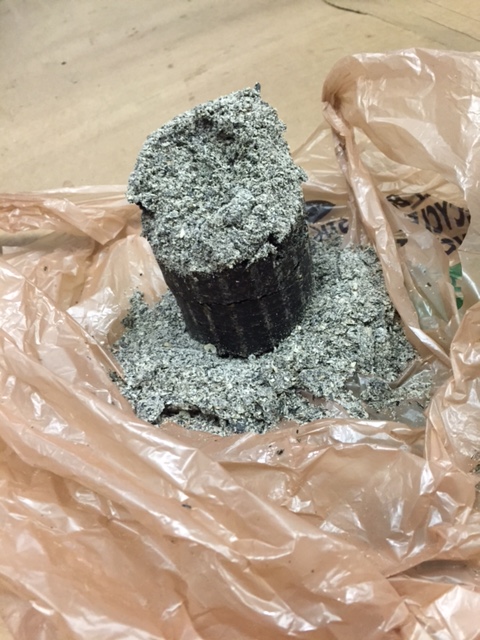
The spent slug (turd to some LOL)

Looks like wood ash, but it’s just the flour. It is as hard as a rock, and requires a large screwdriver and mallet to break free from the press sleeve. Lots of people complain about this, the little screw presses are really tough to clean from what I hear. I’m also not sure they generate enough force to clear all the oil from the “cake”.

IMG_1871

Collecting and filtering

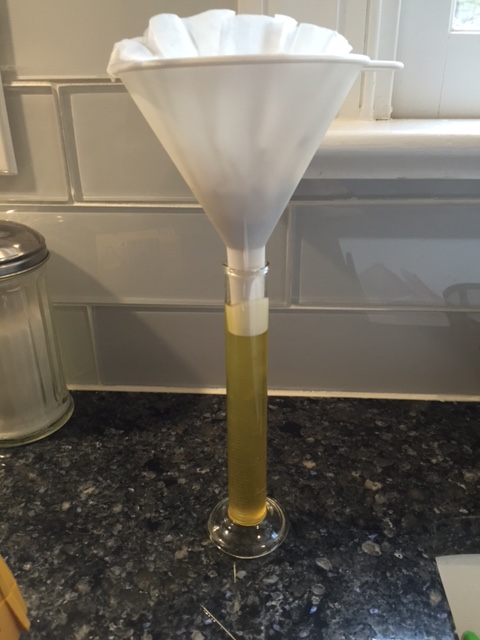
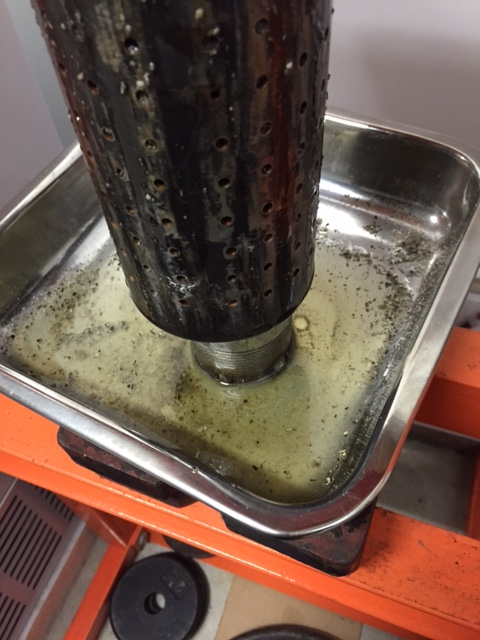
I heated the pan, and poured the hot oil into a coffee filter lined funnel on top of a 25 mL graduated cylinder. I wanted to accurately measure the yield, and I got just about 50 mL from a quart of loose seed (not flour). This seems to be about the right yield, looking at reference site’s numbers. It looks great, nice and clear but took overnight to clear the last of the oil through the paper filter. Coffee filter are around 15 microns, this is too small for a gravity filter and especially oil. I will get a 25 micron mesh and see how that goes, I don’t recommend paper for an oil filter unless you pressurize. Next steps are to fry some stuff in the oil, it’s in the fridge waiting for the test. Supposedly oil will turn rancid quickly at room temps, so I’m being cautious.

IMG_1872


The winter garden

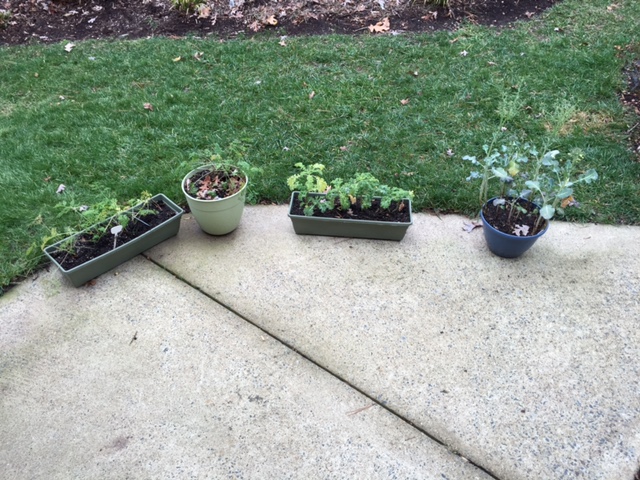
IMG_1395It’s almost Christmas, and the carrots and broccoli are still green and outside. This was an unintentional experiment, I was too lazy to move them indoors but now it’s fun to see what happens. Average overnight temps are in the mid to high 30s, and it can get in the 60s during the day.


The broccoli has flowered already, and doing it again which was a treat. Delicate yellow flowers in the late fall and winter, they are what comprises the broccoli heads before harvesting. Mine were tiny and hardly worth cutting, but they made great blooms.

Onions, peppers, and berries are in the garage and are producing but very slowly. I enjoy getting berries in December, and the peppers will probably ripen in the spring when the temps go back up.

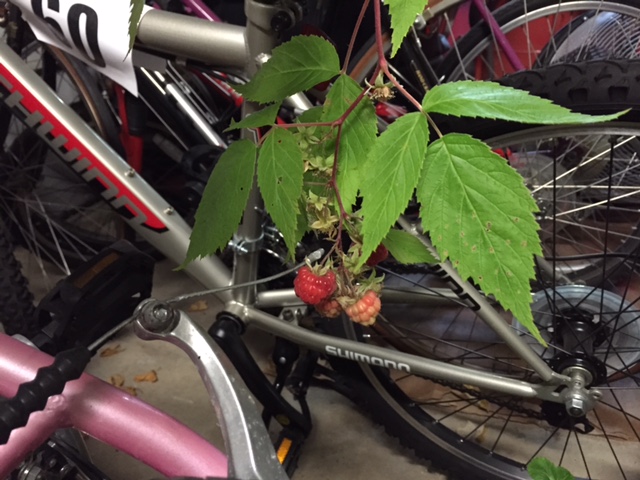
IMG_1375Berries!

Both the Caroline and Heritage plants made a third crop, these are the berries.  Blackberries are outside overwintering.


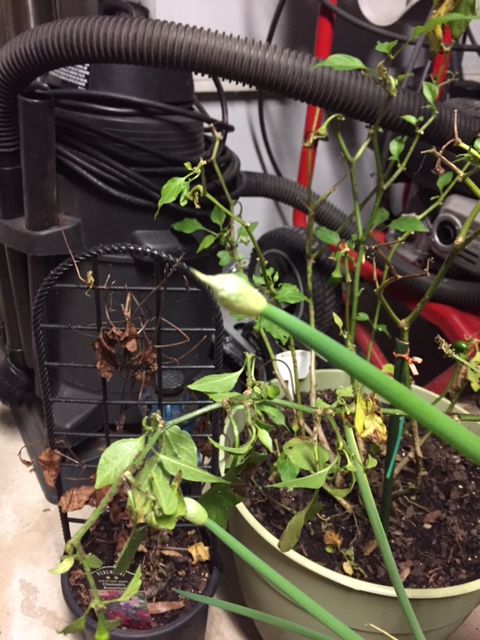
Onions making seed pods

IMG_1394I got a ton of green onions from the other pot, this one was an experiment to see how long I could stretch it and still get usable produce. Seeds pods were a mulligan… Mild hot peppers are in the background, creeping along.


Other developments

I harvested seeds from just about everything, they are in paper envelopes in the fridge being dormant. I will plan these guys next spring, fingers crossed I’ll get plants despite them being hybrids.  Winter wheat went in last week, I learned to plant the correct density and to add the correct top dress nitrogen fertilizer at sowing. This is what the farmers do, I’m learning agonizing slowly what they all know.  Apparently spring wheat isn’t too common here due to the heat, mostly winter wheat which I was about a month behind on getting in.  The summer/fall crops I put in were stunted and moldy, lack of nitrogen and bad timing. But they did make wheat berries, which will get planted come March. I could have three wheat crops, just about evenly spaced in time but the late summer would be iffy.

Sunflower oil

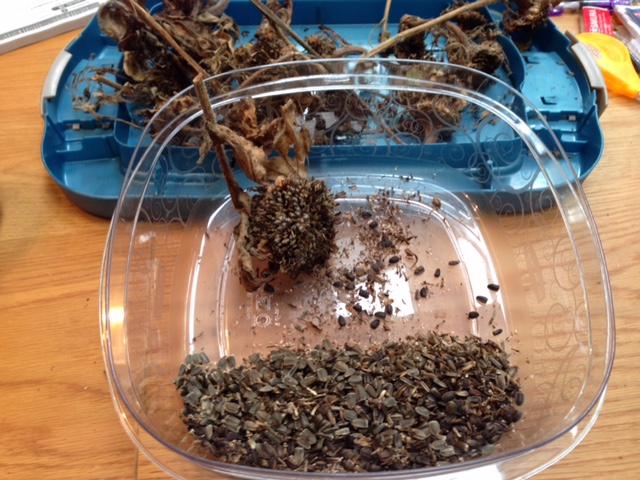
Here’s some of the seeds I got from my sunflowers. IMG_1341


PITA to get the seeds off the plant. I found a link to a homebrew oil press, and got the steel pipe to fab the outer housing. Looks like I have to stick the seeds in blender and then heat and compress the pellet to extract the oil.

http://journeytoforever.org/biofuel_library/oilpress.html

These seeds weren’t the kind you see in the store, they are less robust and the husk is tightly bound to the kernel. I have about a 3/4 quart of oil seed, hopefully I can get some oil to see if it’s worth a damn.  If not, I can buy some seed to test the press and then fool with the sunflowers later. I will eventually need to build or buy a huller, apparently they are very uncommon and don’t work worth a hoot. The principal is simple enough, a rough rotating cone working in a tapered bore with a feed slot and adjustable spacing but they execution is bad.  I can fab a cast iron model but I might try to score an antique off Ebay to save time.

Flying Pests

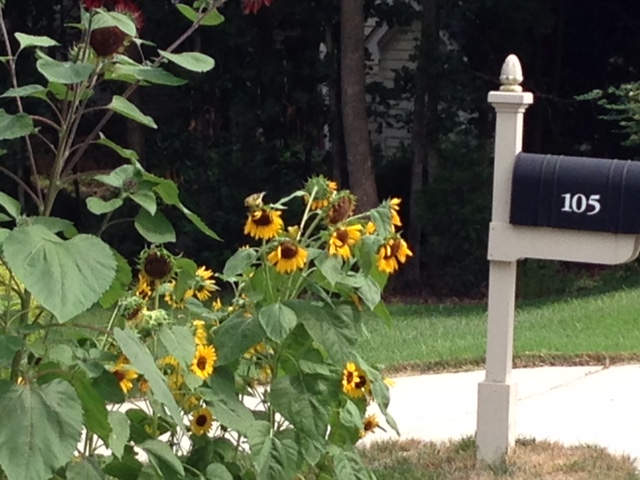
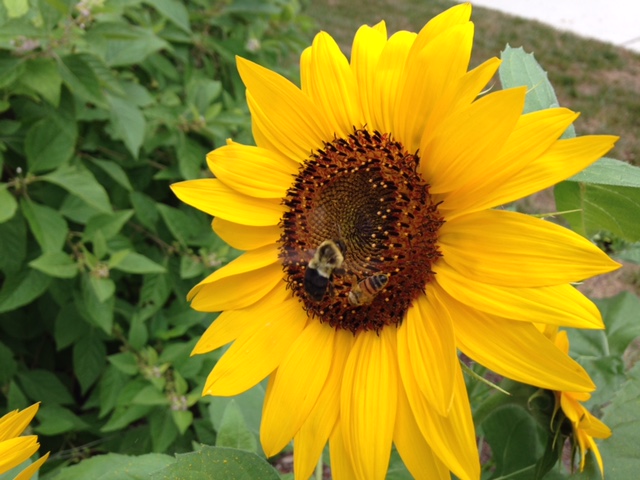
Look closely. Fargin’ goldfinches pillaging my plants, so a lesson is to factor that in. I figure a 50’x50′ area will produce way too many for a few birds to make a dent in.  Bees LOVED these, which offset my fury at the finches. But who can stay mad at them, they are just too darn cute.

IMG_1267


IMG_1244


Five food items we can’t live without (literally)

I was putting the final items on my last BePrepared supply order, and it occurred to me that I had totally underestimated my need for salt. For some reason, I figured 2 cardboard cans of Morton’s would be plenty (that’s about 3 pounds). I started calculating daily usage, times my family for a year and that came to 25 pounds.  Yikes…sure missed that one.  So I added enough to cover me conservatively for a year or more, it’s cheap as heck and compact. 

You simply can’t survive with no salt, so this goes to number two on the must-have list behind clean water. 

 Number three is probably sugar.  Once a crisis is underway, that will be difficult if not impossible to obtain, and it goes in just about every kind of food imaginable. Daily sugar intake is at least double salt, so I went with 60 pounds.

 Number four, probably powdered milk. No way to get dairy unless you own one.

 Number five, powdered eggs. 

 Everything else you can grow, make, or gather. Spices, oil, nuts, fish and game,  wheat, vegetables, beer, vinegar, yeast (sourdough), etc. I keep going back to the mental image of a homesteader packing the Conestoga to make the journey out west, they had far less sophisticated things but managed OK. 

Cookin’ with gas….

Finally got around to testing out my heating and cooking gear. 

burnerThis is a Harbor Freight single propane burner, it’s the shizz. Nicely made, perfect flame etc. I used this one long ago to make coffee, but on a 12 oz bottle versus the 15 lb cylinder. The hose to the right I got at Home Depot, it has a regulator with the gas flare fitting. Gotta have that…

This is the main cooking surface, you can get fancy and go two burner but I’m not Paula Deen. It will also kick out a fair amount of heat if it gets chilly or you are too lazy or cheap to buy a Heater Buddy.

This is the oven.

oven

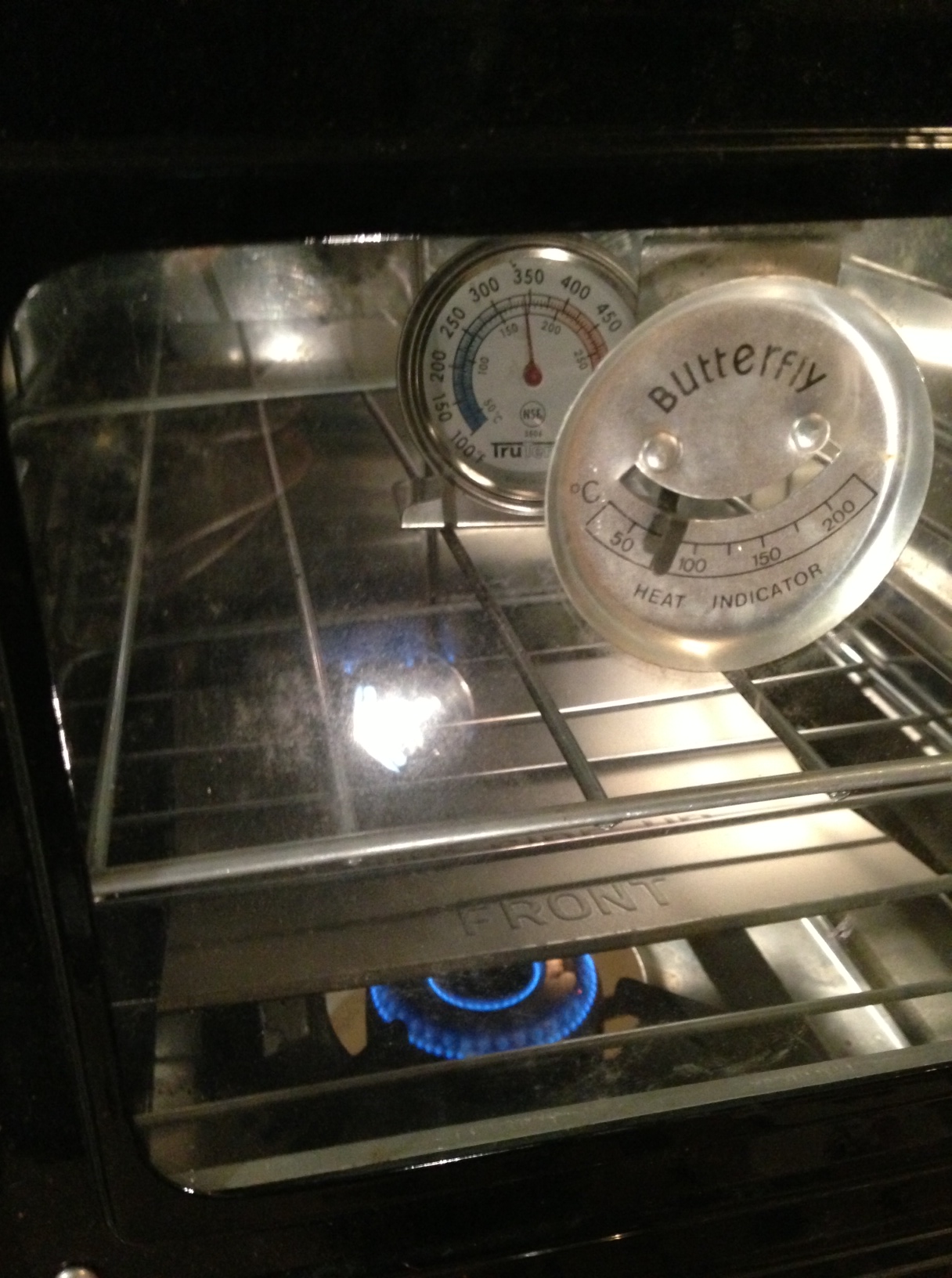
I got it at St.Pauls Mercantile, along with other cool third-world stuff. This little oven is so awesome, it got to 500 degrees before I realized it and will run at 325 at the very lowest stove simmer setting. Note the oven sits on top the HF burner, it’s not one piece. It’s 10×11″x13″ internally, and will hold quite a bit if you get pans that fit. Normal loaf pans may be too big to put 4 in at once, so you have to make sure to measure them before buying. Same thing with cookie sheets.

Shot of the internal temp and burner, the front thermometer is for amusement only.

temp

The Butterfly Kerosene stove

flame2

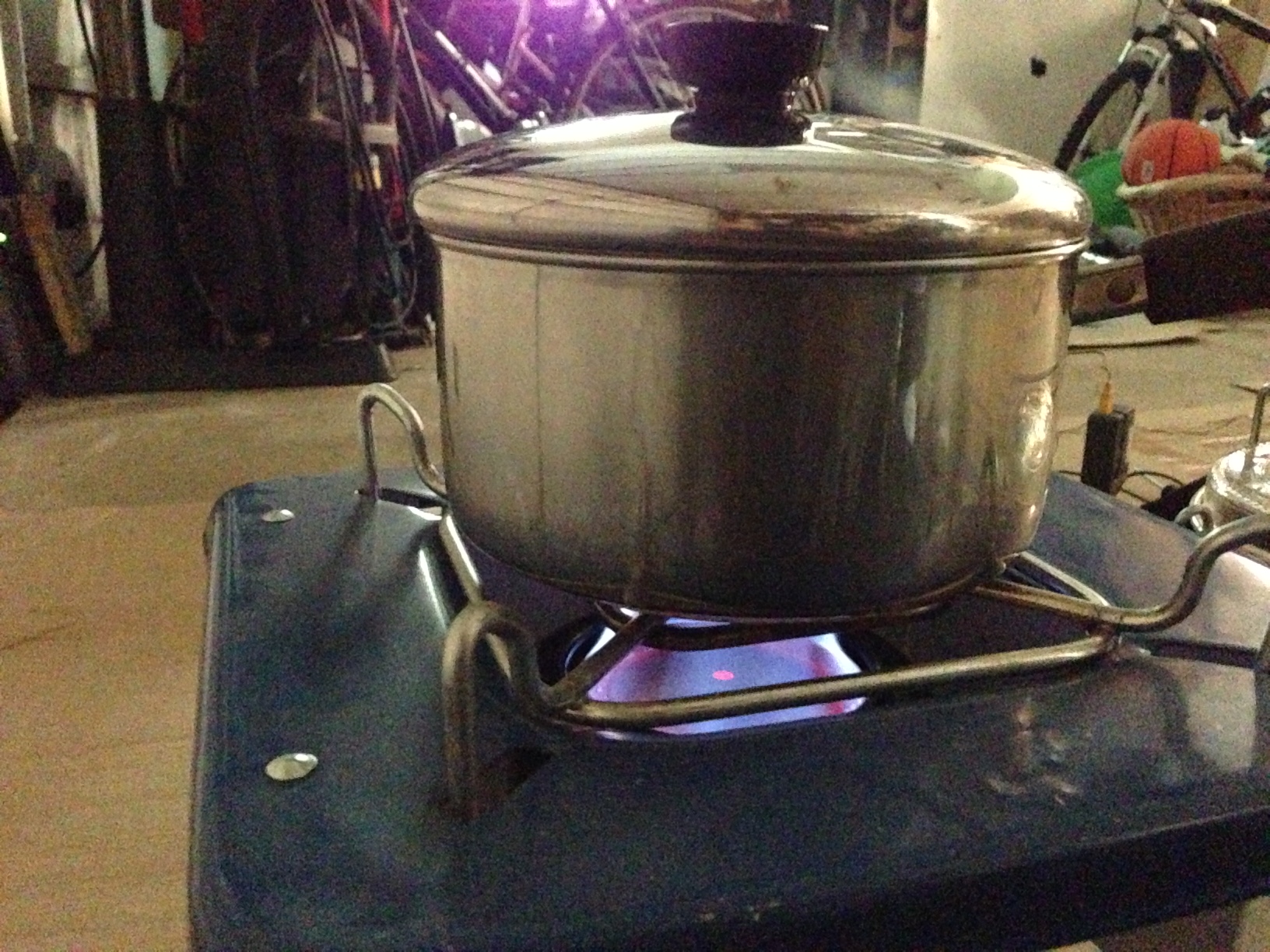
Also available at St. Pauls, so cool! You fill the tank with K1 (diesel would probably work in a bind), let the wick soak, and light it off. It burned a lot cleaner than the heaters I’ve owned, nice blue flame with no yellow tail. As with the oven, will put out a ton of heat and will get a pot roiling quickly at full tilt. You can adjust the flame a lot, and use it as a heater. The beauty of this is the fuel, 5 gallons of K1 will go a long way so pound for pound this is the way to fly. It does smell, and will smoke like a bitch when you fire it up and shut it off due to the way the chimney heats up and cools off. All kero burners do that, so nothing new there. What impressed me was the simplicity of the design and how well it worked, there’s something to be said for one moving part. One caveat: the burner ring has to be level or the flame will not be equal nor will it get very hot:

flame1

Notice how I cleverly ignored the big font in the instructions about making sure it’s level. I though it was referring the tank, but it’s the burner. The liquid K1 needs to fill the wick evenly, if it’s slightly off kilter the wick will run dry on one side and then not make enough heat to vaporize the fuel.

Heater Buddy

heaterAnother cool item, it’s a small ceramic element heater that can run from a 12 oz bottle or a tank. This is a non-regulated adaptor hose, it has a male bottle thread on the heater end.  Small, efficient, and flexible. Even has a pilot light.

All in all a very satisfying afternoon, things actually worked as expected and I have “Operation Eagle Toast” behind me.

Planning for the long term

I see this as something most people get wrong (including me). We can all get by for a short time, but what about when things get really bad? Imagine you are stuck on your property for the duration, nothing coming in.  That’s a bitch, surviving for more than a year with little to no outside supply is really difficult to imagine let along accomplish.  The problem from what I see is we tend to be overoptimistic and weirdly selective about what’s needed.  I’ve seen a lot of women preppers with pantries bulging with canned food but no way to cook it, or ways to obtain clean drinking water. I’ll throw out a few examples of things that get overlooked:

  • Water collection. Absolutely the top priority, no water = end of the line. Imagine your bugging in at home, and there’s no city water. How do you get enough to drink? Assume the average adult needs 1 gallon per day minimum, not counting sanitation. Maybe there’s four of you, we’re now up to 4-5 gallons PER DAY.  It doesn’t rain enough in most places to yield this much on a regular basis, so some way to store it is an absolute must. How much? Probably a month or more, so 150 gallons. That’s three big drums, that you have to keep full.  What if it doesn’t rain for a while? Double that.
  • Water filtration and treatment.  When you open the tap, that water has been cleaned 9 ways to Sunday. Whatever you manage to collect needs to have bacteria and contaminants removed, even rain from the gutters (bird droppings, dirt, etc). Ever design a water treatment plant? Me neither. You may have to get water from some nasty sources in a pinch, so rain is actually a best-case option.
  • Heat. This is a big one. Not just heat to keep from freezing (who doesn’t live where the temp gets below 32?), but to boil water and cook. Most survival supplies need to be rehydrated, and you will likely need to cook things to supplement your diet. Bread, rice, beans, etc.
  • Light.  Even cavemen had light, you need some illumination to work after dark or to see where you are going. Not candles or oil lanterns, but an LED lamp or flashlight.
  • Electric power. EVERYTHING runs on electricity. Lamps, electric power tools, hair clippers, mixers, radios, things that are tough to find hand power equivalents for.
  • Fuel. Gasoline, LP gas, Kerosene. If you need to move via the road system, or run a generator you need gas. Kerosene runs stoves and heaters, and can be used in diesel engines.   LP gas for safe room heat and cooking.

This is just the major items, lack thereof could be lethal. BTW I’m leaving food as a separate category. There’s a bunch of other things that aren’t vital to life, but would make things damned unpleasant without them:

  • Toilet paper.
  • Soaps. Body, shampoo, laundry detergent, dish soap.
  • Toothpaste and floss.
  • Tubs and buckets. Where are you going to clean dishes, utensils, clothes, and your own nasty self?
  • Shavers.
  • Bleach. Vital to disinfecting water and other things as needed.
  • Matches. How were you going to light that burner? Flint?
  • Clothesline. I still haven’t bought this….gotta hang the wet stuff to dry.
  • Paper towels.