Sorghum Syrup Making (small scale)

I can’t believe I forgot to post this, the most photogenic of all the stuff I’ve  done so far!  As background, this was a 4×4′ plot of Sugar Drip Sorghum, planted in mid-May. I spaced the plants about 8″ apart, and tilled up the clay with a top dress of nitrogen. All the plants came up great, no real need for water.

IMG_1553

I cut the canes with garden shears, trimmed the seed pods, and then cut the canes into pieces to fit the oil press.

IMG_1576

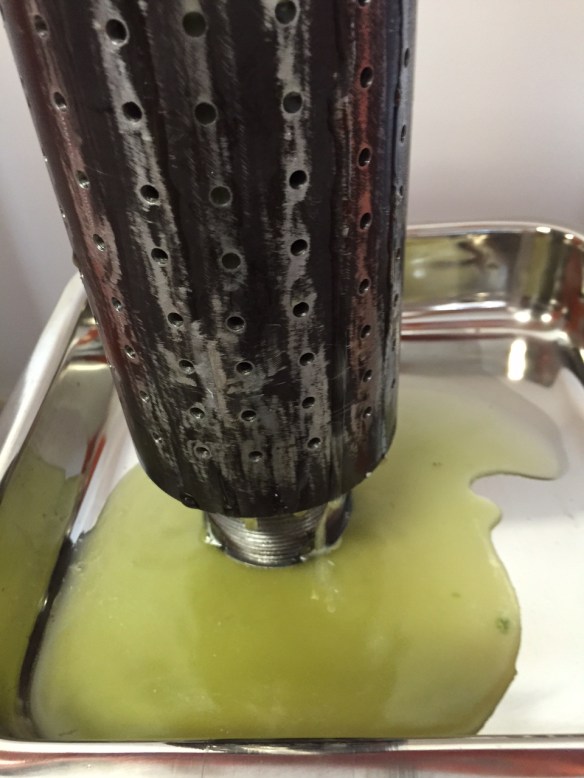
This was loaded into the hydraulic press, with a stainless drip pan to catch the raw juice.

IMG_1574

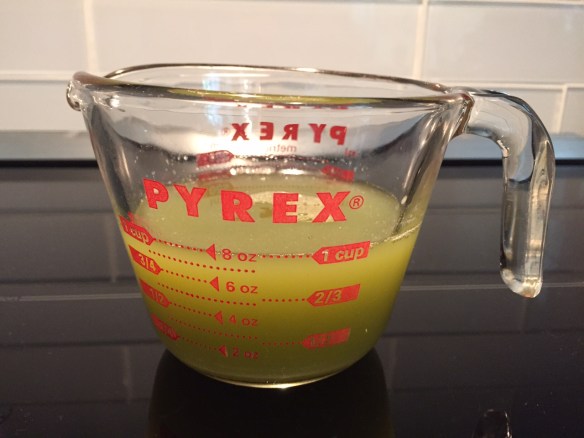
After a long time of loading the way too small press, I got a cup of raw sorghum juice. You can see the starch and flotsam in the liquid, I didn’t let it settle which was a mistake. I did use a very fine mesh coffee filter on the juice, but it doesn’t get the starch grains out. IMG_1577

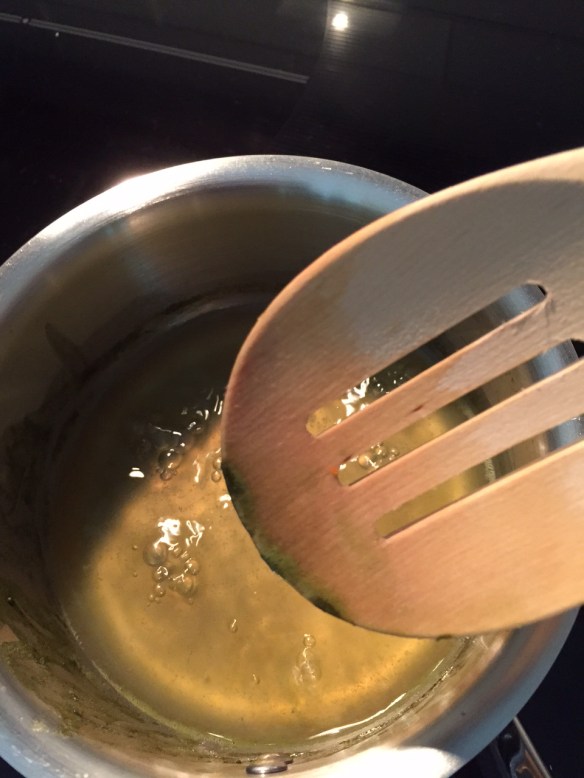
This was then boiled down in a small pot, skimming off all the green scum (this is supposed to be vital to keep it from tasting terrible). I used a wood spoon, there may be a better way but it seemed to work OK. It tends to stick to the sides where you can tease it off and dispose of it, sort of messy process.

IMG_1579

The end result was a quarter cup of syrup, which was not fully boiled down so maybe 1/5 or 1/6 had I done it right. If you leave too much water, it develops mold right away. Mine did this in less than 3 weeks at room temperature, so didn’t get a chance to taste it on food. I did another small batch using later canes, it tasted gamey and I literally could not eat more than a few bites.

I think I need to get the canes at the “soft dough” stage, let the juice settle, strain thought a paper filter, then filter again. It may be that this stuff just tastes bad and that’s why we all eat cane or corn syrup versus sorghum. I vaguely recall my dad buying a jug of this when I was a kid, and that it was inedible.

Plans for next season and musings

I have a number of things I want to try, based on what I’ve tried so far and what’s left to accomplish. The goal was to grow every survival-style crop, either in a pot or in a small section of garden, and be able to get a decent yield and seeds for future use. I also wanted to harvest, prepare, and store each one. Here’s the “success” list to date:

  • Carrots
  • Onions
  • Wheat
  • Basil
  • Berries
  • Chives
  • Kale

Here’s the ones I am still working on:

  • Oregano (waiting for them to go to seed)
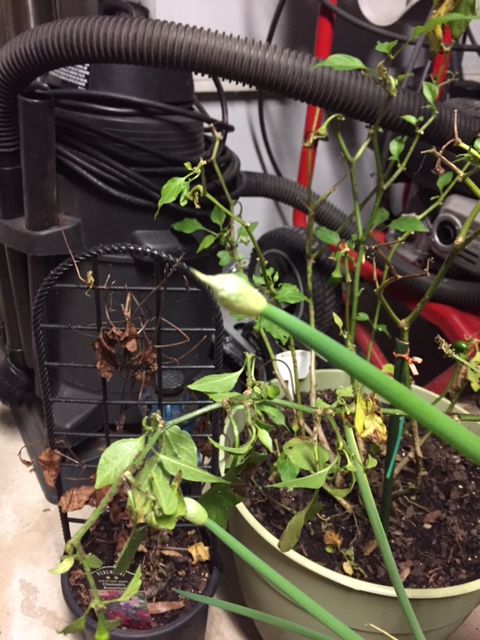
  • Broccoli. I just cannot win, the damn worms strip the plants or they flower immediately without making a decent floret. I may try using new dirt and putting window screen around them to keep the moths out.
  • Leeks. I have a crop in a totally inadequate location, will try again but fingers crossed they may shoot up in the spring.
  • Celery. Grew fine but waiting on seed….
  • Potatoes.
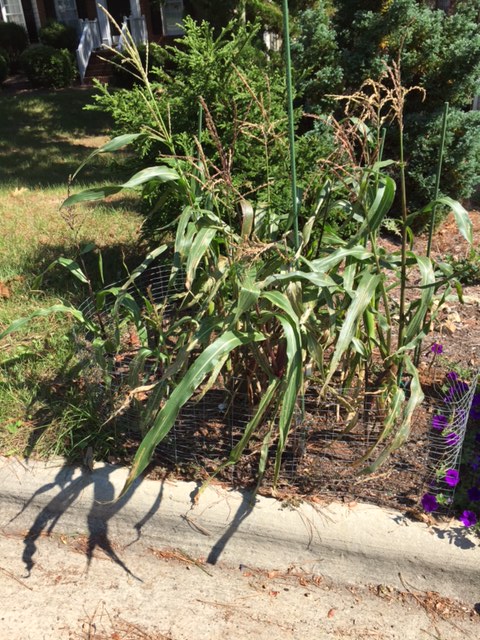
  • Corn. It’s a variety/timing issue, I can get small ears of the painted mountain corn but it’s just not yielding. I have plenty of seed now, but now enough to mill into corn meal. Here’s the plants at the peak:

IMG_1707

Next spring:

  • Sweet corn.
  • Sorghum. Big win, will do a large plot and then refine the syrup making process. I keep finding out what I’m doing wrong, last time it was not allowing the syrup to settle out the sediment and starch particles, plus not taking the stalks at the soft dough stage. I wanted to get a ton of seeds, so I left them in too long. It made the syrup taste grassy/borderline unpleasant.  I’ll also make the big press, the little one was a total PITA to run.
  • Peanuts. High hopes for these bad boys.
  • Herbs in the ground vs in planters.

Potato late fall update

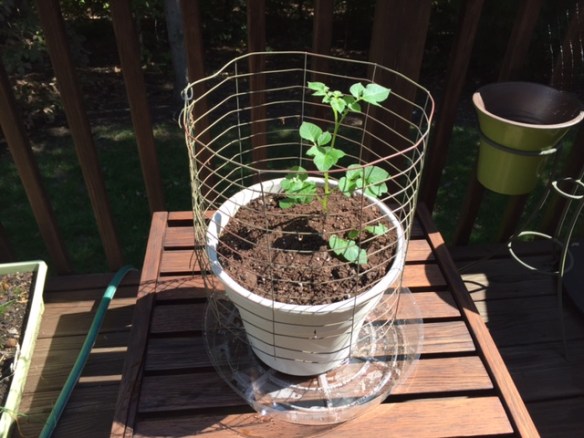
It’s been a while since I posted, busy at work/home but I’ve had a bunch of little things percolating in the background. The main focus has been potatoes, the goal was to try out growing them in a pot with the option to add height/dirt to maximize the yield.  I initially bought potato seeds, these germinated but have all died over time. I first tried in the spring, the plants came up but wilted from the heat and/or got fungus. I tried again later in the summer, with the pots in the shade such that only got morning sun. This seemed to work OK, the plants grew slowly and then took off like mad when the fall rains and cooler temps came:

IMG_1706

Sadly, the advent of evening 40s killed both of the plants. It could be the variety, but they only do well in a very narrow temperature and humidity window and with a limited amount of light.

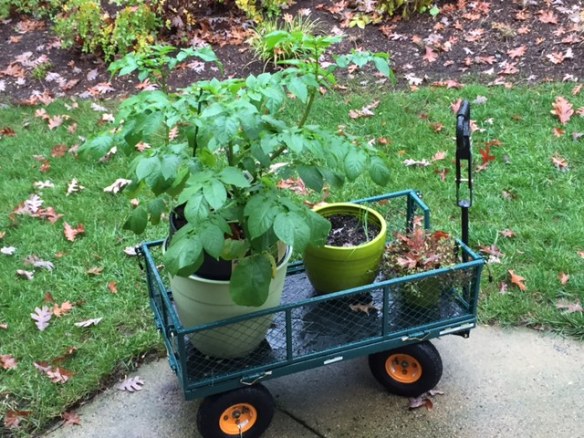
As a lark, I tossed a bunch of small red grocery store spuds into a big pot at home, and in a the plot at work. This was a big success, as seen here:

IMG_1763

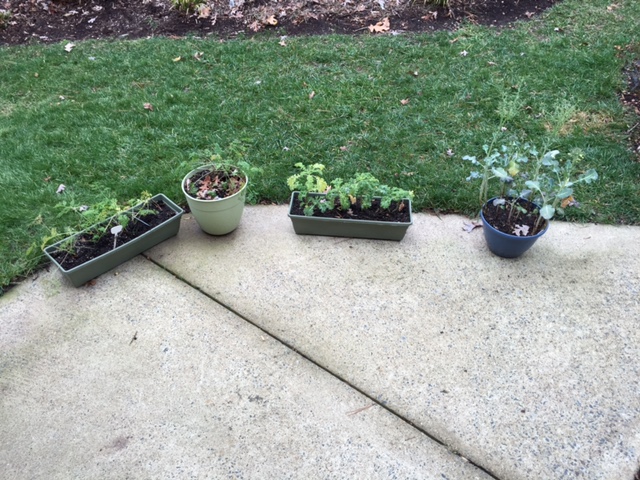
There are three plants in the leftmost pot, all thriving. I wheel them out during the day or whenever the temps are above 50. The work plants have died back, we got an unexpected frost and that nipped the foliage pretty good. They may come back in the spring, but just in case I’ll sow another row 6-8″ deep so they overwinter.   You can’t see it very well, but there’s a section of lawn edging bent into a circle above the pot rim. This was my way of quickly adding height, I’m stopping at one section just to see how it works.  If I’m lucky, I’ll get new potatoes in January.

This is a new crop for me, so I had no idea how they grew here and what to do. I have a much better understanding now, not complete but getting some basic competence.


Threshing wheat on a small scale

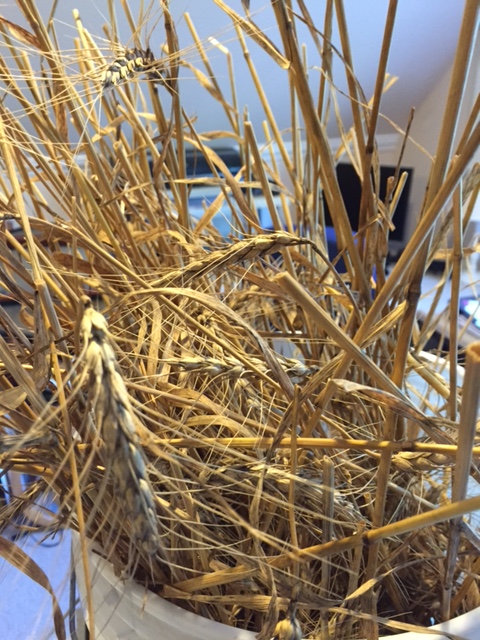
As I last posted, the wheat had been “scythed” (big garden shears) and left to dry. I had a couple of ideas on how to thresh it, but ultimately I built a replica of another person’s machine. They used two pieces of chain mounted to 1/4″ threaded rod, this was then lowered into a 5 gallon bucket of wheat and a drill applied free-hand. Sort of like a hand kitchen mixer. I though that was hokey, so I drilled a 1/4 pilot hole in my bucket base to serve as a bearing, with the free end poking through a similar hole in the lid. I used 1/4 steel rod, and brazed a washer 1/4″ from the end to serve as a thrust washer. I brazed two 4″ sections of chain to the rod, right at the thrust washer so the flails would scrape the bottom. It’s like a brush hog or weedwhacker, the flails beat the shit out of the heads and knock the berries out.

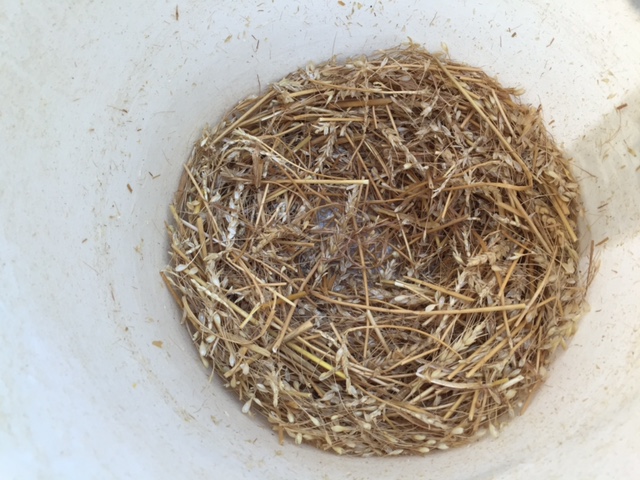
The first iterationIMG_1564

This is looking down into the bucket.

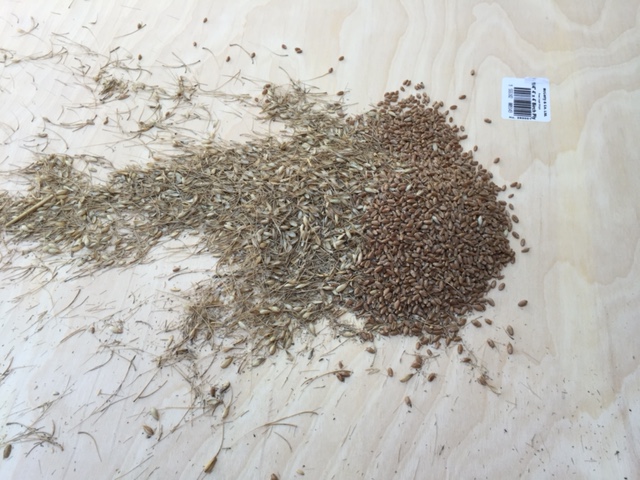
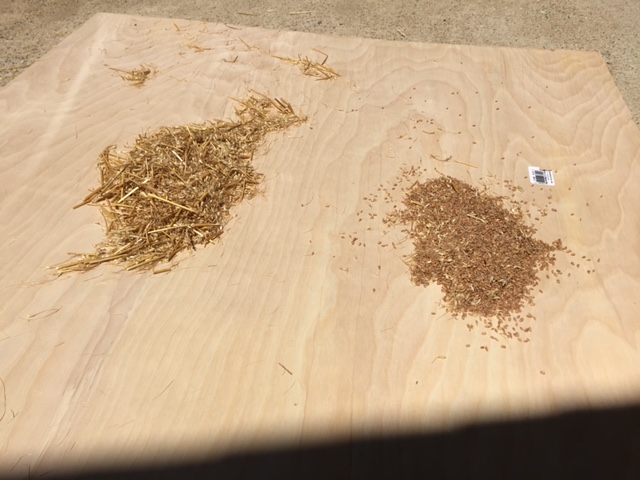
I first cut all the heads off the stalks, this worked excellent. Notice how the chaff is mostly the seed cover. This was easy to winnow, not much heavy chaff and it went in one step using a fan and a 4×4 piece of plywood. IMG_1565IMG_1566

This was the spring wheat, it yielded 1/3 of the winter  variety but looked fine. It was a smaller plot, but it wasn’t as good.

Next I said “let’s just toss the whole stem in” for the winter wheat. This didn’t work well, the stems wrapped around the axle up high and didn’t thresh much.  I added a second flail 6″ up, that did the trick and I was able to thresh the whole stalk. I had to get the corded Makita drill to spin it, the cordless was not happy with the load. IMG_1570

Notice how now there’s the normal combine harvester  discharge chute contents. Good, as you can avoid trimming but bad as it makes more trash and takes longer to fan winnow. I’m not sure it saves any time, you have to pick out more husks from the berries. They cling to some, vs. almost none with just the heads present. I got a lot more broken seed too. Maybe if I had a multistage thresher, and 4 flails, and a fancy winnower setup it would be a non-issue. But I’m not that motivated yet, this works ok for what I needed.   Here’s a shot of that winnowing:IMG_1569Final product

IMG_1572

The yield was 2 1/2 cups of wheat berries per 9.25 sq ft. Doing the math, a 50’x50′ plot with good fertilizer should yield a years worth of wheat plus some seed.  Impressive, and finally it worked out. I will grind this and make bread, to complete the experiment. Chalk this up as a win…

Progress on the sorghum, corn, and sunflower plot

The small plot I made at work is doing well (mostly). I planted about 50 oil seed sunflowers, 25 Sugardrip Sorghum (milo) plants, with Tophat and Painted Mountain corn. These were a few of the essential crops I needed for long-term use, so I wanted to see how they faired in an area similar to a suburban front yard. That’s pretty much what this land is, so it was a perfect proxy for the experiment.  If hard times occur, we would need to plant every usable square foot in order to get by. Here’s the pics:

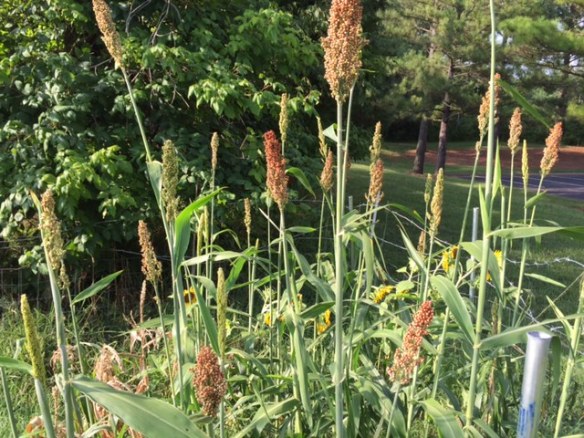
Sorghum

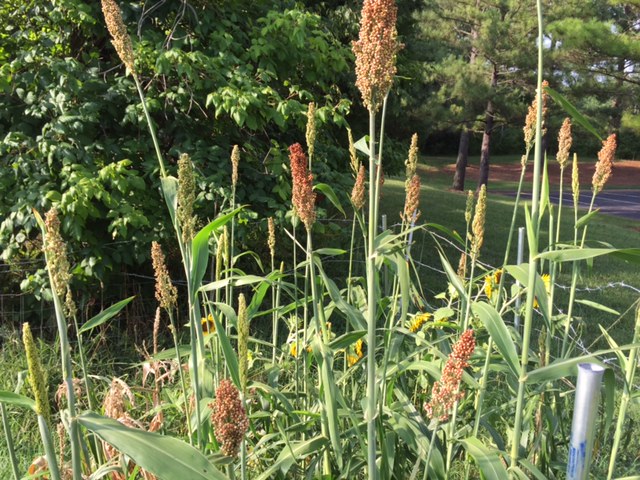
IMG_1553Beautiful!! nice tall stalks, big seed heads which is exactly what you need. It didn’t need much care, just some water in the beginning and a small shot of nitrogen. I need to get a few stalks out and press them for juice, I may have gone past the optimal syrup point but it might work. The seed will be kept for planting, and the rest milled into flour. I’ve never eaten millet, but apparently it’s a staple in developing countries. Sure is easy to grow, so mark this as a win. Flour and syrup from the same plant, what more can you ask for?

Sunflowers
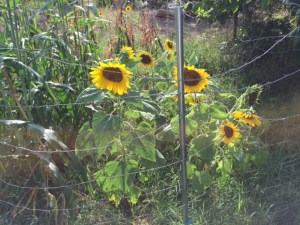
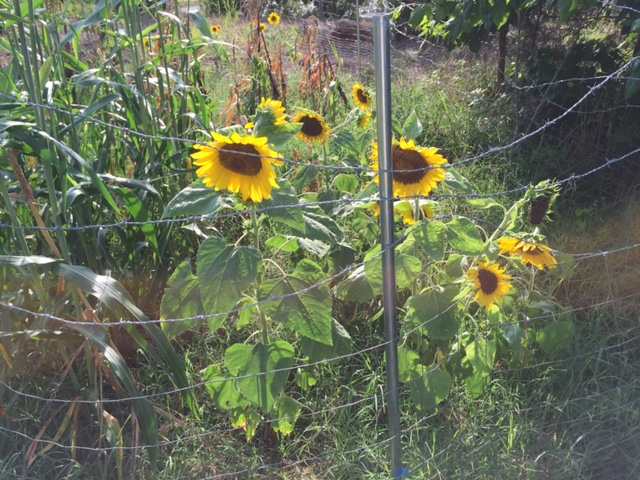
IMG_1552All the plants are growing well, but they are short compared to what I’m used to. This is a new variety, so maybe that’s the way it was bred. I had a problem with deer cropping the leaves, they pushed the fence in and over the plants, and where they couldn’t do that they leaned over and did it. I ran three strands of barbed wire up some posts, fixed that problem.  You can see it in the pic, works great but is a killer to work around. I see how a spiral of this loosely staked would stop intruders, the barbs are sharp as hell and snag anything. You would be totally stuck hitting this stuff, and I am keeping a roll in stock just in case. Good luck getting past it.

Corn

Sadly, the corn is not doing that great. All the plants are stunted, and the ears that made seem to be small and partially developed. There was a lot of fungus in the ears, and a lot of them were sprouting when I pulled them. I have plenty of seed now, but eating would be problematic. I don’t know exactly why this happened, but I think it’s a lack of nitrogen (corn is a grass) coupled with the wrong variety for this area. I think these were developed for places like the Pacific Northwest, or cool short seasons. I’ll try this again, using a different one and of course dressing the shit out of the fertilizer. I’m amazed how much you need to grow wheat and corn, I didn’t think it was that critical but it is. Which is an important lesson; make sure you have a big barrel of fertilizer on hand or you can’t grow the traditional cereal grains. Maybe you could use dung or compost, but that’s a luxury and won’t be handy initially.

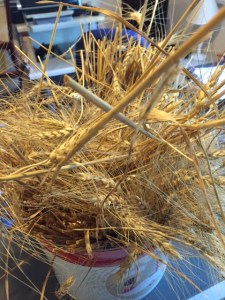
Scythed Wheat

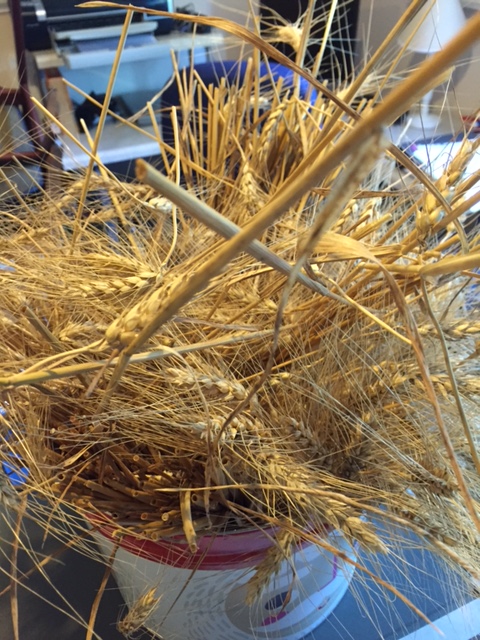
Winter variety. This turned out absolutely perfect, great yield and well formed heads. No rust or smut. Win!
IMG_1556

Spring Variety.  Started out well, but didn’t grow as robust as the winter and developed a slight dark coloration on the heads. I think it’s a fungus, it wasn’t wet (actually dry) but it appeared when it was ripening. It seems to be just the husk, the kernels are OK but I’m leery of any grain fungus. Ergot is a common rye problem and causes horrible health problems if consumed.

IMG_1555

Miscellaneous stuff

The herb garden is rocking. Basil, oregano, thyme, chives, dill, etc. All doing well, and boy they sure taste good. I never had fresh spices, these are the best.  I added a blueberry bush to the berry patch, yielded a good crop and I learned that you need plastic mesh if you want to keep any. Catbirds and robins go for any berries, so lesson learned.   Broccoli is still sucking, I gave up trying to spray for caterpillars. I think the only way to stop it is to make a house screened enclosure over the plants (next year).

Lots of plants made seed; I harvested onion, kale, broccoli, wheat, bell pepper, and now carrots and basil (waiting for them to dry). I need to successfully grow a crop from seed before declaring victory, that is in progress. Already did hot pepper and cherry tomato, the trick was to let the fruit drop and overwinter in the dirt. Drying them didn’t work, supposedly there’s a coating on the seed that needs to be there for it to germinate. More work needed on those, I guess.
Wheat is on!

Wheat

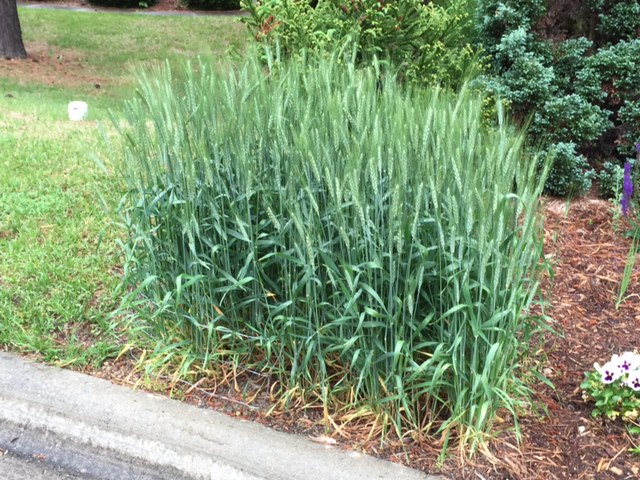
The winter wheat has done very, very well and has headed out:

IMG_1494The trick was adding straight nitrogen grass fertilizer when I plowed it up, and then “top dressing” more when the flag leaf appeared. Being related to grass, it likes the same conditions and you can get everything at the hardware store to take care of it.   Around July it should ripen and be ready to cut and thresh.

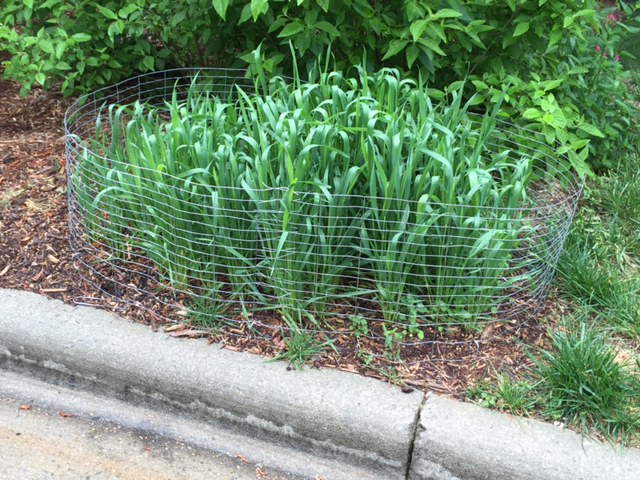
Summer wheat is following the same path:
IMG_1495The flag leaves are appearing, tillering fine and looking fabulous. You only need to plant a single seed every 8-12″, the plant “tillers” and spreads out. Sowing broadcast style (I did this last year) wastes seed and seemed to starve the plants.

Other developments

Sunflowers and the oil press

I secured an area around work that is open and unused, I put in around 50 oil seed plants so I can get a gallon of seed for the oil press. I fabricated the press last year but haven’t had to time to squeeze the small batch of seed from last years crop.

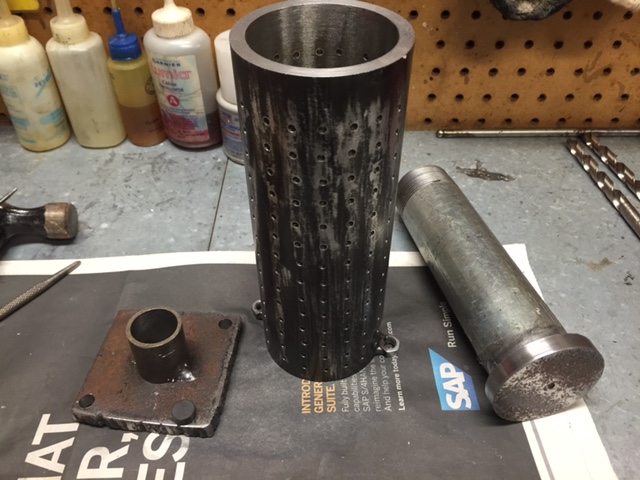
IMG_1496

This is a modification of the old 70s article design, I used a special top plate (on the left) with a sleeve to fit the Harbor Freight hydraulic press pilot rod. The ram (on the right) fits inside the cylinder, and rests on the metal collection pan which is on top the big baseplate supplied with the press. Note the nuts welded to the cylinder; those allow easy cleanout of the compressed seed bolus which is a major PITA on other presses.  Been too busy to try it, but it should work.  Side note: it takes FOREVER to drill all those 1/8″ holes in 1/4″ steel, gotta buy 2-3 carbide die drills and use a drill press with V blocks if you value your sanity. I guess you could do it with a hand drill and plain drills but I wouldn’t want to.

Carrots

The damp sand mini root cellar worked awesome, I filled a big Tupperware bin with play sand and set 10 carrots in it last October. I pulled them out this March, most were just fine but some rotted. The taste was sort of funky, they should have been outdoors but they were in my basement at 55-60 degrees. They weren’t nearly as good as the ones I left in the pots, but would have been fine cooked in a stew. For survival = win.

My existing plants overwintered OK, and are sending up new growth. So I guess you can use this mode of propagation vs seed, which is cool.

Potatoes

I ordered 200 seeds from a guy in Wisconsin, planted two and I have a robust seedling coming up. This is the start of the Great Spud Experiment, it’s in a big pot for now but will go to a tower to see how many pounds I can get out of a 2’x2′ footprint. Stay tuned.

Bread et al

I made two batches of wheat bread using purchased hard wheat, the grinding went flawlessly but the bread was right out the Stalag Luft 17 ration bucket. Flat, dense, and heavy as a lead bar.I didn’t knead it long enough the first time, then didn’t use enough dough in the loaf pan the second time. I’m trying it again, this time 2 1/2 cups of flour per pan and 12 minutes of kneading. Tortillas were a smashing success, turned out great but were kinda oily for my taste. But OMG they good right off the griddle.

Corn and Sorghum

Put these in the same area at work, corn will be hulled and dried for meal and seed. The sorghum (also called milo where I’m from) can be used to make syrup. The oil press will accept cut up cane stalks, the juice is boiled down to make the the syrup. The plants are already up, very excited to harvest all the produce.

Media bias against emergency preparedness

I just received the latest issue of the Economist, and this was a featured article:

Preparing for the apocalypse

I will survive

When civilisation collapses, will you be ready?

This is typical of media coverage of any civil defense or preparedness, they go out and interview the most far-out people they can find and represent that as the norm. The title is exactly what anyone should NOT be preparing for. No apocalypse, no collapse of civilization. Civilization will continue, but to assume every aspect of life will go on just as it does now regardless of circumstances is just foolhardy.  I really wish there were no paranoid gun collectors living underground pimping MREs and iodine pills.  It stigmatizes anyone who practices preparedness, regardless of the nature or extent of that activity.

I recognize and understand the statistical unlikelihood of having an emergency, but that’s not to say it will never occur. And, we never know what could happen so it’s not a bad thing to be ready, as long as that doesn’t become an end to itself or interfere with daily living. For instance, years ago we have suffered through several ice storms with extended power outages, and were not doing that well after a few days. If we had had just some of the things we have now, we would have been comfortable versus freezing our asses off, in the dark, and piling food outside to keep it from spoiling.

I can’t talk about any of this in the open, so I can only post on-line using a pseudonym. It would be great to involve my neighbors but I know where that would lead so I don’t. It seems to agitate liberals that preppers are secretive, that it’s somehow selfish versus a reasonable position given the circumstances.

Finally, the thing that really irks me is the gun fetishes. Guns are such a polarizing subject to begin with, then to opine on how it’s going to be Stalingrad every day so you better stock up is just ridiculous. I will touch on firearms one day, but I sincerely believe they are a last resort and in all likelihood not going to used in anger. Thirst/hunger/fatigue will prevent most of the trouble mooted on message boards.

Sure would be nice to have a more balanced view of the movement, I did see that younger people are getting into this but more on a local/group level vs the survivalist. I haven’t seen much coverage but maybe it will become more mainstream one day.


Geiger counters and Black Swan events

Now that I have a lot of my mid term plans and supplies done, I’m looking at long term, mobile operations, and “second-order/Black Swan” scenarios.  By that I mean things that can happen, but are not as likely and not worthy of attention until everything else is done.   One of these is a nuclear exchange or a long term loss of grid power (nuclear fuel fires). For that, I still need everything I already talked about but also a way to detect gamma/beta radiation and some type of fallout shelter.

Detectors

There are three types of radiation detectors on the market; new lab grade survey meters, low cost Geiger counters, and government surplus. The problem with the first is expense, to cover the range expected in a crisis would take thousands of dollars. You can’t get a decent instrument that will cover 1 mR to 500 R/hr, the closest I found was Ludlum’s in Texas but they are not really customer focused and you’d need add ons to get the range. Plus it’s expensive.

Amazon/Ebay stuff is usually gimmicky/low cost with a low max rate, usually less than 0.1 R/hr which is OK for things like high school science lab but not for even low levels of fallout. You have no way to know whether or not you’re getting 1 R/hr or a 1000, which is the difference between living and dying.

And then there’s CD surplus. It seems there are large stocks of 60s/70s Civil Defense meters being released into the surplus channels, so one can pick up bargains. BUT, these things have been sitting around for 50+ years with a lot of it inoperable. I was lucky to find this guy:

http://www.uraniumrocks.com/

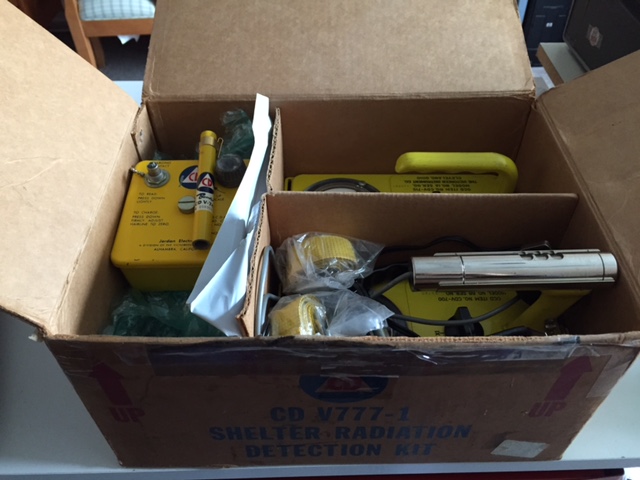
He has repaired and checked CD-700/715 meters and dosimeters, plus I scored a complete NOS shelter kit:

IMG_1396This covers all bases, from low level to lethally hot AND has the dosimeters. Price was right, too. You need a check source, you can use uranium ore or Peerless lantern mantles which are commonly available.


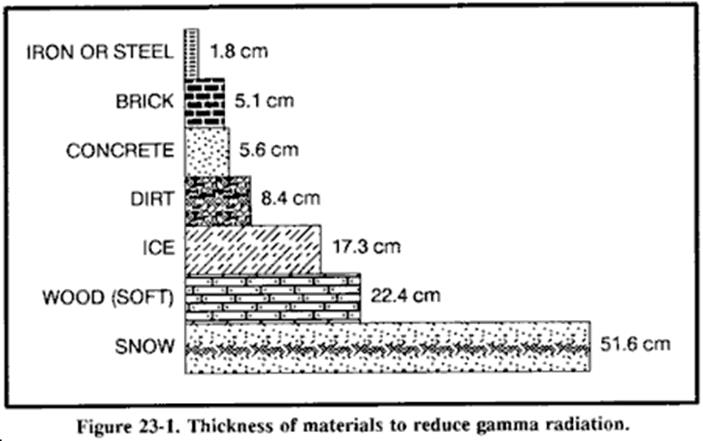
OK so what about shelter? Well, that’s one of those things that people just love to debate and go for the overkill solution. Most hard core peppers end up building versions that will ride out a near-miss from a surface burst. Unless you are within 75 miles of a hard target and expect a full up exchange, I’m not sure this is appropriate. Fallout tends to disperse in high concentrations close to the source, and decays exponentially with time. Most people can get by with less protection. The rough rule for exposure is keep the dosage to less than 125 rads in a month,  and it’s probably going to be less than 100 rads/hr for the initial rates. Doing some rough calculations says you need to reduce that by a factor of 16 to keep from getting ill.  That takes 4 half thicknesses of shielding (2^4=16), which can be obtained by about a foot of earth or 10 inches of brick or cement. A typical frame house will give roughly one half thickness, if you shelter in the innermost lower part OR the basement/crawl.

HVLYou need three additional half layers, the old CD books say pile up dirt but that’s impractical. My solution is: Sandbags. I have an 8″ brick walled above ground basement , so I only to add bags above to get the protection from the fallout coming from tree foliage and the roof.  When I first started thinking about this, I was focused on digging something but then realized that wasn’t practical. Not only would people think I’d totally lost it, but it’s not needed and would be a PITA to keep free of water, ventilate, and would be claustrophobia inducing to boot. Not to mention a tough thing to remove if I move.  Polypropylene bags come in white, OD, and beige and are 37 cents a pop in lots of 100. They store small, can be filled when needed, carried, and can be used to create a defensive fire position if that’s ever needed. I want the stuff I buy to serve multiple purposes, which these do.


The winter garden

IMG_1395It’s almost Christmas, and the carrots and broccoli are still green and outside. This was an unintentional experiment, I was too lazy to move them indoors but now it’s fun to see what happens. Average overnight temps are in the mid to high 30s, and it can get in the 60s during the day.


The broccoli has flowered already, and doing it again which was a treat. Delicate yellow flowers in the late fall and winter, they are what comprises the broccoli heads before harvesting. Mine were tiny and hardly worth cutting, but they made great blooms.

Onions, peppers, and berries are in the garage and are producing but very slowly. I enjoy getting berries in December, and the peppers will probably ripen in the spring when the temps go back up.

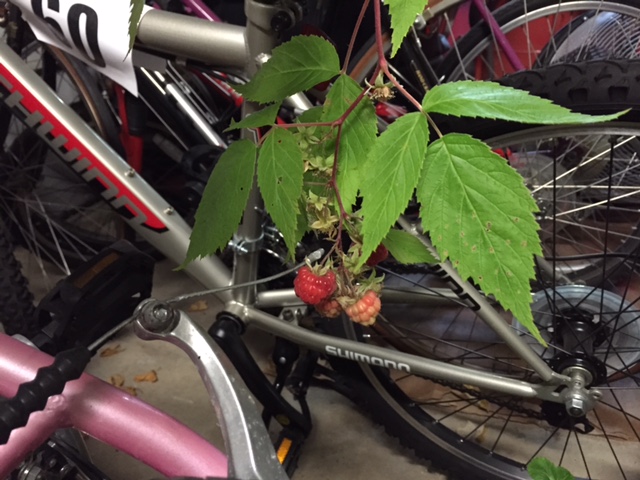
IMG_1375Berries!

Both the Caroline and Heritage plants made a third crop, these are the berries.  Blackberries are outside overwintering.


Onions making seed pods

IMG_1394I got a ton of green onions from the other pot, this one was an experiment to see how long I could stretch it and still get usable produce. Seeds pods were a mulligan… Mild hot peppers are in the background, creeping along.


Other developments

I harvested seeds from just about everything, they are in paper envelopes in the fridge being dormant. I will plan these guys next spring, fingers crossed I’ll get plants despite them being hybrids.  Winter wheat went in last week, I learned to plant the correct density and to add the correct top dress nitrogen fertilizer at sowing. This is what the farmers do, I’m learning agonizing slowly what they all know.  Apparently spring wheat isn’t too common here due to the heat, mostly winter wheat which I was about a month behind on getting in.  The summer/fall crops I put in were stunted and moldy, lack of nitrogen and bad timing. But they did make wheat berries, which will get planted come March. I could have three wheat crops, just about evenly spaced in time but the late summer would be iffy.

Sunflower oil

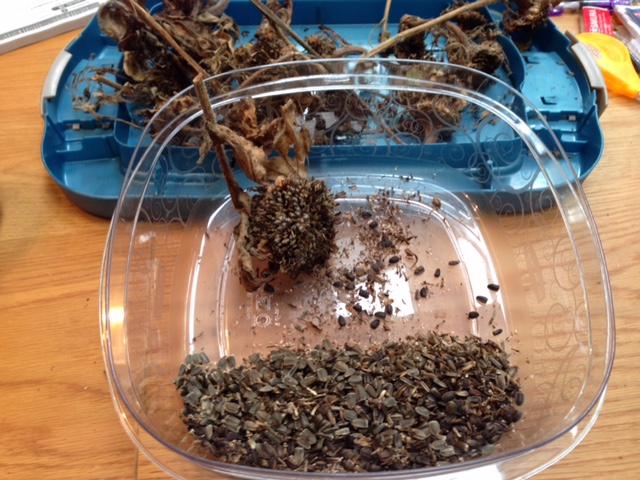
Here’s some of the seeds I got from my sunflowers. IMG_1341


PITA to get the seeds off the plant. I found a link to a homebrew oil press, and got the steel pipe to fab the outer housing. Looks like I have to stick the seeds in blender and then heat and compress the pellet to extract the oil.

http://journeytoforever.org/biofuel_library/oilpress.html

These seeds weren’t the kind you see in the store, they are less robust and the husk is tightly bound to the kernel. I have about a 3/4 quart of oil seed, hopefully I can get some oil to see if it’s worth a damn.  If not, I can buy some seed to test the press and then fool with the sunflowers later. I will eventually need to build or buy a huller, apparently they are very uncommon and don’t work worth a hoot. The principal is simple enough, a rough rotating cone working in a tapered bore with a feed slot and adjustable spacing but they execution is bad.  I can fab a cast iron model but I might try to score an antique off Ebay to save time.

Flying Pests

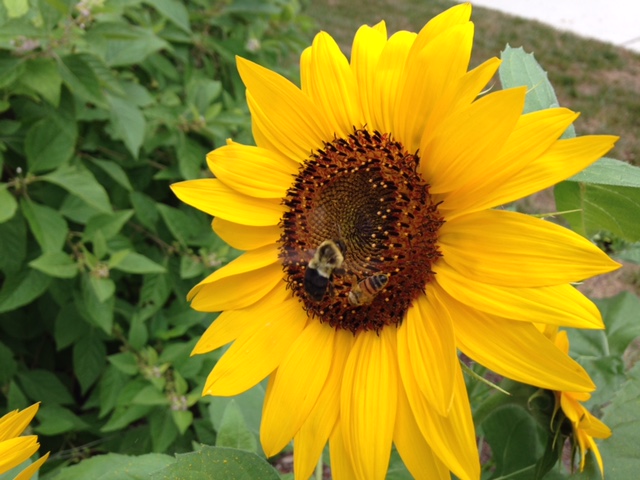
Look closely. Fargin’ goldfinches pillaging my plants, so a lesson is to factor that in. I figure a 50’x50′ area will produce way too many for a few birds to make a dent in.  Bees LOVED these, which offset my fury at the finches. But who can stay mad at them, they are just too darn cute.

IMG_1267


IMG_1244


Five food items we can’t live without (literally)

I was putting the final items on my last BePrepared supply order, and it occurred to me that I had totally underestimated my need for salt. For some reason, I figured 2 cardboard cans of Morton’s would be plenty (that’s about 3 pounds). I started calculating daily usage, times my family for a year and that came to 25 pounds.  Yikes…sure missed that one.  So I added enough to cover me conservatively for a year or more, it’s cheap as heck and compact. 

You simply can’t survive with no salt, so this goes to number two on the must-have list behind clean water. 

 Number three is probably sugar.  Once a crisis is underway, that will be difficult if not impossible to obtain, and it goes in just about every kind of food imaginable. Daily sugar intake is at least double salt, so I went with 60 pounds.

 Number four, probably powdered milk. No way to get dairy unless you own one.

 Number five, powdered eggs. 

 Everything else you can grow, make, or gather. Spices, oil, nuts, fish and game,  wheat, vegetables, beer, vinegar, yeast (sourdough), etc. I keep going back to the mental image of a homesteader packing the Conestoga to make the journey out west, they had far less sophisticated things but managed OK.