Lessons learned from food storage

Storing food long term is not easy.  There are many things that will go wrong and ruin the things you saved, it’s so aggravating to pack then away only to find a big mess later.  Here’s a list of things I’ve found that help the process:

  1. Always use Ziploc bags on EVERYTHING.

It doesn’t seem to matter what you are storing, it will be affected by moisture in some way. Putting each group of like items or individual item in Ziplocks keeps moisture out, prevents odors from permeating packages, and keeps any packaging failure localized. I’ve had things rupture and ruin an entire 20 gallon Tupperware bin, bagging it would have stopped that from happening.  This is addition to a Tupperware bin, or cases of #10 cans in boxes.  Put one of the 20 gallon bags around any cardboard boxes, as they will absorb moisture and deteriorate.

2.  Don’t rely on desiccants, and NEVER use Damp-rid!

I made a few mistakes early on, the biggest was using Damp-rid inside containers. That stuff turns into a soupy mess of water and is highly corrosive. It ends up putting pools of water in your storage bin, which is exactly what you didn’t want. It’s far better to seal everything, and try to store in a low humidity environment. Silica gel may work, but I suspect it also gets saturated.

3. Be very careful with canned goods.

I have had soup rust through from the inside in only a few years, modern cans are not the same as the old tin plated soldered versions. People claim canned food will last decades, but that has not been my experience. I have no canned good in my storage as a result, it’s all dry mix.

4. Don’t store flour or corn meal unless there is no alternative.

They have very short shelf life, and can be made up from canned popcorn and wheat berries.  You could repack flours, but the taste and nutritional value is just not there.

5.  Buy items packed in metal cans or glass jugs/jars whenever possible.

Believe it when people say plastic is permeable. Same goes for paper, foil,  or cardboard. It doesn’t seem hold up to storage and picks up funky smells.  Many staples can be purchased in cans, from places like Emergency Essentials or Rainy Day Foods.  I switched over to cans on dried corn, baking powder/soda, cocoa, sugar, powered milk, drink and soup mixes, and spices. I got really tired of replacing stock. Example: I had a brand new plastic bottle of aspirin stored, the pills started growing whiskers and clumping together. I can only assume this was moisture getting in, but in any case it didn’t hold up.

6.  Buy powder vs liquid.

This is a shelf life and volume issue, the powders weight less and seem to keep longer than liquid versions.
Results of the 2018 storage check

It’s that time again, it’s already been close to 5 years since I last cycled through the mid-term storage items.  I had checked my boxed up freeze dried stuff back in 2016, but I didn’t do a detailed check of the bins where I save the grocery store type stuff. Here’s the highlights:

  • Kool Aid packets. Fail. They picked up up moisture and formed a puck inside the packets, plus they changed color and got some green specks which I’m pretty sure aren’t flavor crystals. These may have been from 2005, so I can give them a pass but they don’t last all that long sitting around.
  • Gel deodorant. Fail. Turned into liquid, thankfully they stayed sealed.  Same thing, 2005 vintage, but I’m going to solid stick now.
  • House brand liquid dish soap. Win. Perfect, from 2005.
  • Book matches, 1000. Win. Had rusty staples but struck like new. 2005.
  • Flour and corn meal.  Fail.  Picked up moisture and odors from other items. 2013.
  • Sugar (bag). Fail. Moisture on the bottom of the sack. 2013. Guess it’s hygroscopic.
  • Peanut butter. Win.  Looks and smells perfect, 2013. This will go back into storage until 2022, it will get pitched then. I pick up 4 huge jars every 4 years.
  • Oil. Win. Looks and smells perfect, 2013. Same as the PB, 8 year life. 
  • Yeast packets. Win.  Looked and smelled great, and proofed just fine. 2005. I’ve since switched to glass jars, but the packets held up. A big surprise, everyone claims they go bad but apparently not.
  • Aspirin. Fail. The pills had crystal whiskers growing out of them, and were clumping together, 2005 . I figured aspirin would last for decades, guess not.

Funny how many things go bad after a few years, even when you try to keep them in a favorable environment. This is one of the things apocalypse movies get wrong, things just don’t last.


A fast sand water filter

One of the things I definitely needed as part of my big plan was a way to prefilter raw water. In treatment plants, water is pumped into settling tanks with aeration and flocculant to get all the particles out, then it goes to finer filtration and chlorination. In my scheme, I didn’t have anything ahead of my Berkey ceramic filter which would tend to limit the throughput for drinking water (clogs from sediment). It also didn’t allow for a source of filtered but non-potable water for washing.

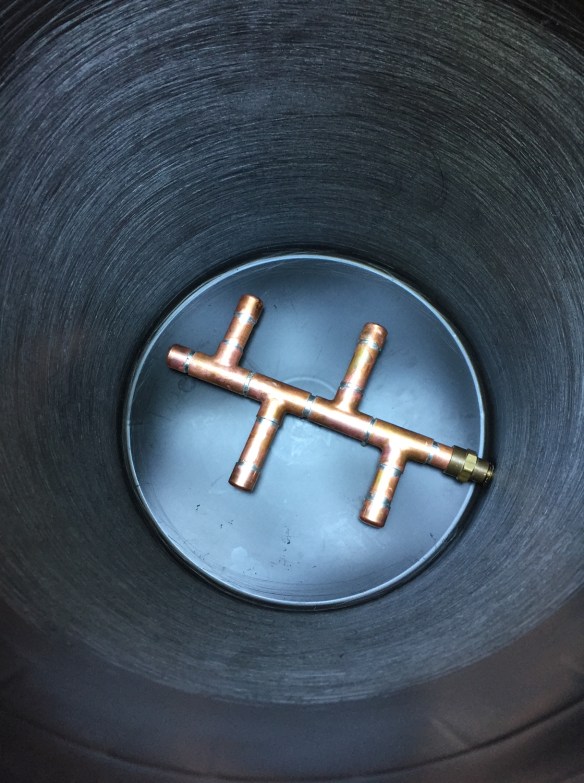
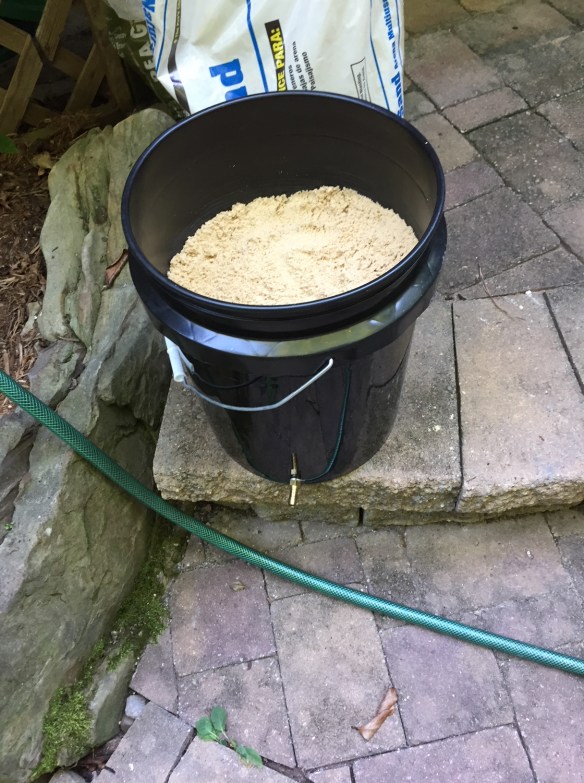
The usual solution for filtering is a “slow sand” filter, it’s a large column of sand with a diffuser on top and a drain at the bottom. It’s big and heavy, they need to be at least 55 gallons to allow the bacteria to trap and digest any harmful impurities. It is also slow, just a trickle, and also needs to be run for a while to develop the native biofilm. Rather than do all this, I made a smaller version that just traps particles. The goal was to pour asswater in the top, and get clean non-turbid stuff out for either bleach treatment (washing) or for the Berkey and Pur filters for drinking and cooking.  Here’s a few pics:

Empty plastic bucket with the copper manifold and outlet

IMG_2402

A couple of notes. I used 40 grit paper on the sides, this is to trap the sand grains and not let any water past the sides. This is a big deal with the slow filters, so I went ahead and treated it. The pipe manifold is copper, there are a bunch of 1/8″ holes underneath that let the water out. I used copper for the antimicrobial properties and easy assembly, but plastic would be fine.  I added a 3″ layer of pea gravel on top of this, to prevent the sand from migrating out the manifold.


IMG_2403

Here it is with the pea gravel and play sand fill. I left about 1 1/2 gallons of headspace to give it some working volume, but still have a filtering action.

IMG_2404

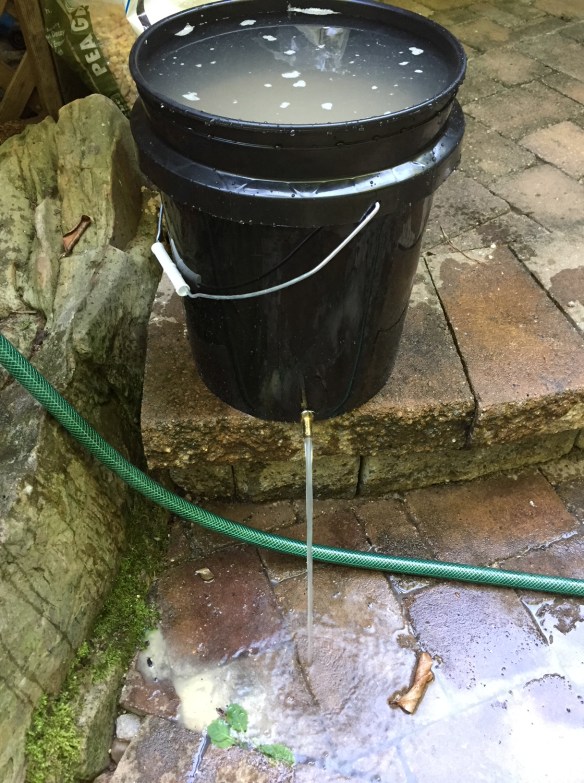
In action. You can see the fine sand it spit out on the first fill, that went away quickly and the rest was crystal clear. Playsand is very fine, almost dust like, and seems to do a good job filtering sediment. I pulled a bucket of pond water, let it sit a few days, then poured it in. Out came nice clear water, albeit with a faint musty lake smell.  This will be run through my other filters soon, and I’ll see how it is. I think using an aquarium bubbler on the filtered water might eliminate the odor, will probably try that as an experiment.

So far, so good though.


Filling in the preparedness plan gaps

I’m sort of done with the big picture planning, and now I’m going back to see what sort of gaps exist in my 1 year plan. I did this by creating a master Excel sheet with every plan item listed, with the quantity/storage location/justification for the amount. Once I did that, it was apparent which things were either missing or short. For instance, I had toiletries and hygiene items but had missed on the amounts and type.  Toothpaste and floss was short, and the wrong type (need powder for long term storage). Toilet paper was another. Once you get it all on paper, you can mentally run through everything you use regularly and see the issues. Calculating your usage is a must, and can be done within the sheet which is handy. One thing that tripped me up is my kid’s needs, when I first started they were preschool/elementary age but now are teenagers. That add two adults to the list, with different needs.

I am getting close to finishing up the 1 year prep plan, most things are in place and it’s a good feeling.  There is the question of how long to plan for, there’s nothing magic about a year but LDS uses it and it is a reasonable time frame.  Anything longer than that would either have to be dealt with by going full homesteader or going nuts on the amount of stored items. I just can’t see a reasonable scenario where I’d need 3 or 5 years with no outside supply or ability to grow food.

As a note, it’s time again to purge and check stock on my 2005 and 2013 items. I had socked away some things long ago that weren’t really meant to last, but they seemed to hold up OK externally. I’ll be sampling things and reporting back, stay tuned for that….


Potato growing year-round

I’ve been growing potatoes on and/off for 5 years, and have finally gotten the process refined to the point of sustainability. The goal was to have a small quantity of spuds in the ground or stored at all times, such that they could be quickly planted and boosted to a staple crop.  Here’s the major findings:

  • Start with the smaller red potatoes in the grocery store as your root stock. I tried all kinds of white and heirlooms, plus seed and had no luck. The store red spuds always sprouted, and were hardy to heat and cold.  If you live in Maine or the NW US the others may be fine, but I’m bullish on the reds.
  • It will take a few seasons for your stock to adjust to the weather. Mine definitely got MUCH hardier after one full season, especially in the heat. I was shocked how well they adapted, kinda surprising. I’ve had them pop up in June and July after sitting in pots or the garden, after I missed them during harvest.
  • Leave unused potatoes in the ground. I tried to store them in a 65 degree cellar, with 65% RH and no light but they all sprouted and decayed. They seem to weather fine in dry soil, fairly deep.  I put a few in the fridge, they did last but I lost some to rot.
  • You should be able to get two or three good crops per year. Mine start in late February in a cold frame, done in late May/early June. Then another starts, with harvest in August/early September. Then the last starts, and will store in the ground until May without sprouting.
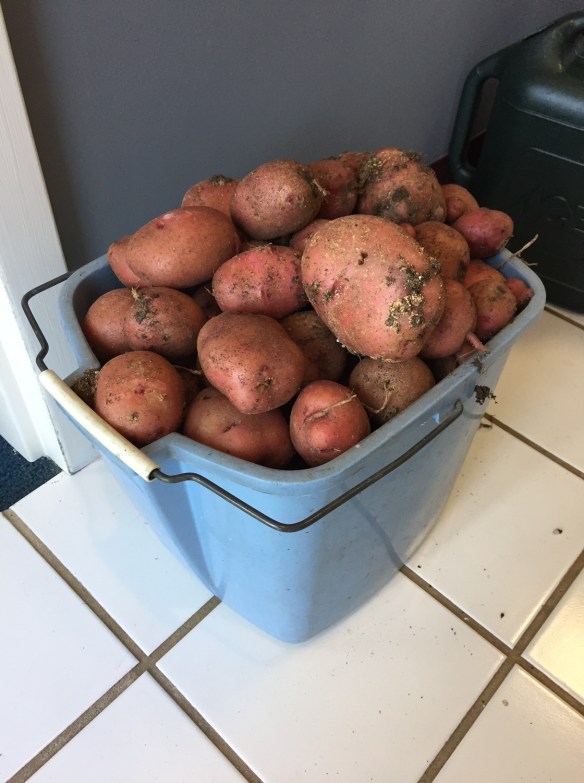
  • Potato towers and pots seem like a waste of time. I couldn’t get ANY tuber growth by piling up soil, just longer stems. My best results were had in small plots, with some hilling. Here’s just part of the haul from a 3×4 ft patch:IMG_2360

Not too shabby, and was not at the limit of what it could produce. I could have probably doubled this by using lots of humus, and careful hilling.

I really enjoy being able to dig a few potatoes whenever I want, definitely a fringe benefit of preparing….


More sorghum, and corn

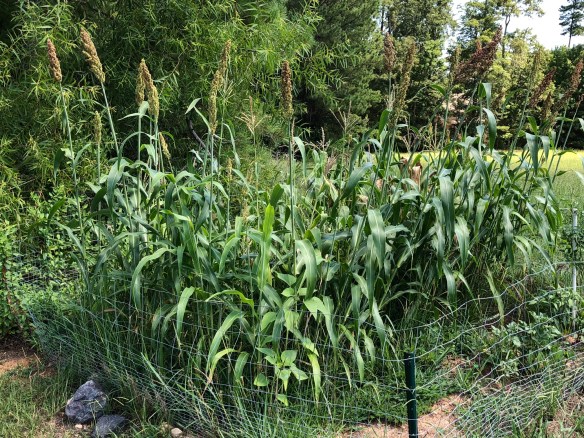
I have been trying all the available sorghum varieties, to see which ones yield the best and make decent syrup. This year it’s “Dale”, versus Sugar Drip and Mennonite from past crops. It is really fast growing, and has big seed heads:

IMG_2649

I originally planted Cherokee White Eagle corn in the center, then decided to add a row of sorghum on the outside to deter 2-legged varmints.  It worked, you can’t see the corn on the inside and the grain is rocking. I planted it the first week of June and it’s almost ready.  I tried planting sunflowers in that area, but only three seeds made it out of a hundred I sowed. Must be the soil, the same seeds did just fine in a planter of potting soil. I will run the syrup in August, maybe it will be sweeter than the Mennonite. BTW I used last season’s syrup to make molasses cookies, they were pretty good but still had a tang to them.

I think I need to start the sunflowers in trays, or augment the soil. It’s too clayey and dry I guess.  I tried a young ear of corn, it’s edible but not sweet. This is more of a dent corn, so it will need to finish and be dried for flour (which was the point).

100% Wheat and Rye Bread, another success!

I’ve been on a bread making binge lately, the cold weather was conducive to hanging out inside and running the oven. I got 5 lb bags of hard red wheat and rye berries, and ground those into flour using the same superfine feed rate setting. Based on the last results, I decided to use double the salt (counters the bland taste) and then let each type rise twice before the punchdown and final rise.  Here’s the loaves:

Wheat

YES!!! I finally got the desired rise, it was perfect and didn’t collapse.  I used small loaf pans, that may help (they are about 1/2 size in all dimensions, and dark for best browning). You can see the nice light structure, it made a big difference to get the second rise and slow down the process. I originally thought one rise for the whole grains, but that seems to lead to the top collapsing.  On to the rye…

Rye

I milled my own flour versus using stale, coarse rye from the store.  The store flour seems to be used to make “rye-taste” bread, with lots of white flour for the rise.  It doesn’t work at all for bread IMO. This rye dough was pretty thin at first, it’s too sticky for a bread machine unless you had something that was round and a rubber paddle to pick up all the dough. And there’s be no point in kneading it extensively as there’s no gluten.  I used the same mini pans, lots of water and salt, with two risings. The rises took over 3 hours (total time), but it was worth the wait.

IMG_2504

They rose picture-perfect, then sagged a bit in the oven (grrrrr). But, as you can see from the interior it has a nice shaggy texture and not too dense. A couple of notes on the 100% rye:

  • The interior is gummy when first baked. You want to let the loaves cool and sit a day before eating it, it’s good but needs that time to develop the texture. I’ve seen references to this elsewhere, seems odd but that’s the rye I suppose.
  • The flavor is stronger than wheat, not bad but you probably have to like Rye Krisp to enjoy it. It mellows with time, I bag my bread in the fridge and that seems to work well to develop the taste. I make toast in the mornings with my experiments, and have been savoring the rye, more so than the wheat.


Cooking with 100% Sorghum flour

I promised to make something out of the excess sorghum seeds, so I used my grain mill to make flour. I set it on fine/slow, and ran a cup of seed through:

Sorghum seed

IMG_2472

The end result

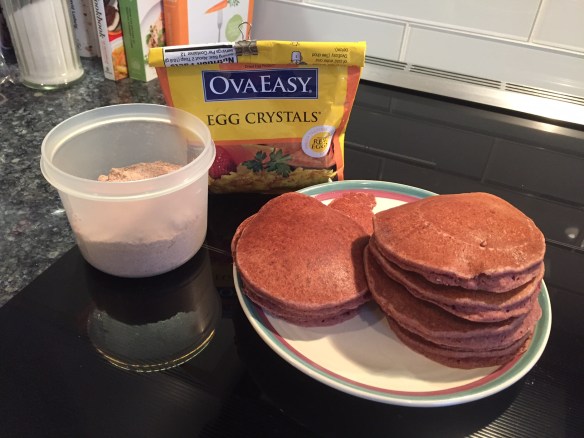
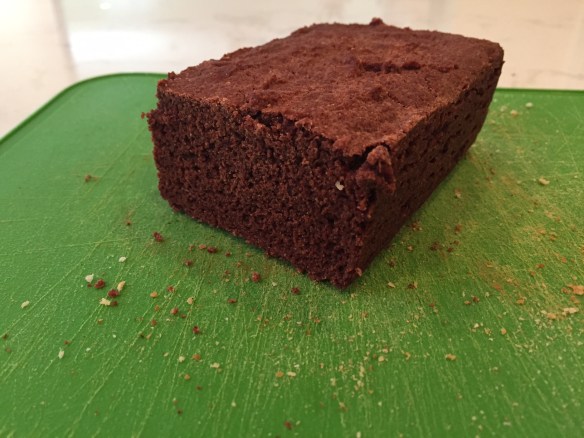
IMG_2471The flour is on the left, it looks EXACTLY like thermite incendiary powder (it’s a very weird pink color). I used whole wheat pancake recipe as a basis, and they turned out perfect. The flour gives everything an unusual nutty flavor, it’s not bad just takes getting used to. In fact, it was sort of compelling and we ate all them all up.   Here’s the bread I made with the leftover flour, and with the same 100% wheat process (lots of water):
IMG_2473

Looks just like pumpernickel! Has that smokey nutty taste, and is a bit crumbly due to lack of any gluten. It is pretty tasty with peanut butter, which complemented the sorghum flavor.   My daughter though it was a big brownie and got a big surprise when she tried scarfing it down when no one was looking.  Haha, serves her right for being a pig.

I think this would be good as a muffin, with some syrup mixed in. I may try that soon, seeing how the sorghum syrup is like molasses.


Harvesting hickory nuts, and pie

I found, (totally by accident) that we have many large hickory trees in our back yard. I never paid any attention to them over the last 20 years, thinking they were Bitternuts and akin to acorns. Well, my wife brought in a huge nut and said “what is this?” I looked it up, and then cracked it in a vise to see how it tasted. OMG, it was awesome. I promptly gather up all the nuts I could find, and we harvested a pile of nut meats which my son devoured.  None of us really like tree nuts, but these are exceptional.  Like a cross between a pecan and walnut, very mild and sweet.

It seems there are many species of hickory trees, and they are all different on the taste scale. We lucked out and have Sand Hickories, which are good vs foul. Anyway, I figured I could make a pie from the nuts. I had two gallons of nuts just from some half-ass late in the season gathering, so now on the show.  Well, it was a bit more complex than the Web would led to you  to believe. First, you can’t use a nut cracker or hammer. The nut is exceedingly tough, and must be crushed in a vise on the short axis down to about 1/2″. This frees up most of the meat and cracks the internal webbing, after which you can pick out hunks that don’t fall out. Once you get a big pile of nut meats and small pieces of hull, you can either sort them by eye OR use the goldminer float technique. I say that because the meats and the hulls DO NOT separate neatly in water, contrary to the bullshit on line.  They are a different specific gravity, but can be “panned out” in water. I used a rectangular piece of window screen as a scoop, and gently moved the meats up in the water where I could catch them. The hulls all stay on the bottom, they stragglers that get caught can be seen more easily when wet and picked out.  This process is hard to describe but will be apparent once you begin.  Dry the meats on paper towels once done.

Here’s a link to the pie recipe:

https://www.tasteofhome.com/recipes/hickory-nut-pie

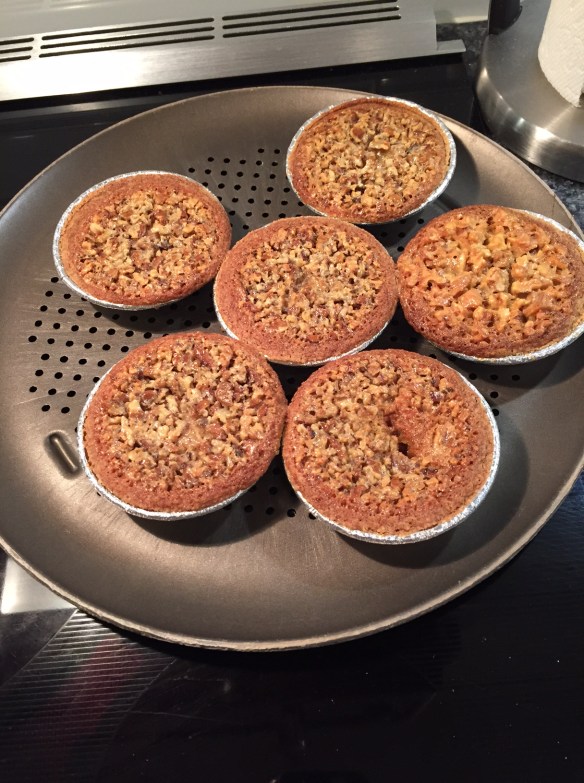
And a pic of the first batch of experimental mini pies:

IMG_2469

They didn’t last long! They are so good, better than pecan IMO.

Sorghum syrup making on a small scale

I posted on this before, but promised to return to it and get a better tasting syrup. I accomplished the task, here’s the highlights:

Sorghum varieties

I used Sugar Drip last time, this made beautiful looking juice/syrup BUT tasted gamey and unedible. I bought some different ones, 6 altogether but Mennonite was what got planted in quantity. The others were 2-3 plants each for seed for next time.  Turns out that Mennonite worked well, the plant is “late maturing” which means it doesn’t make ripe seed until really late in the season (late October). There are lots of others but I have yet to run syrup from them, maybe over the next few seasons I’ll try them but most did not grow too well. I’m hesitant to plant those, to avoid crop failure and a wasted season.

Cane trimming

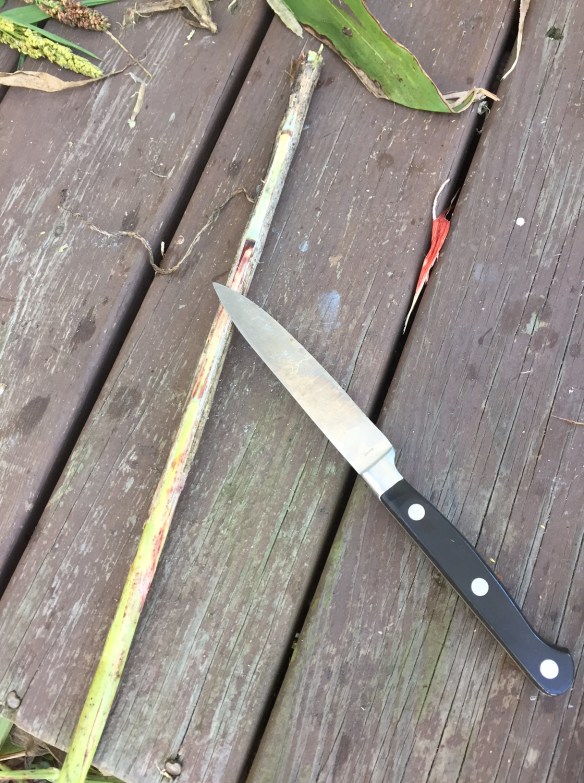
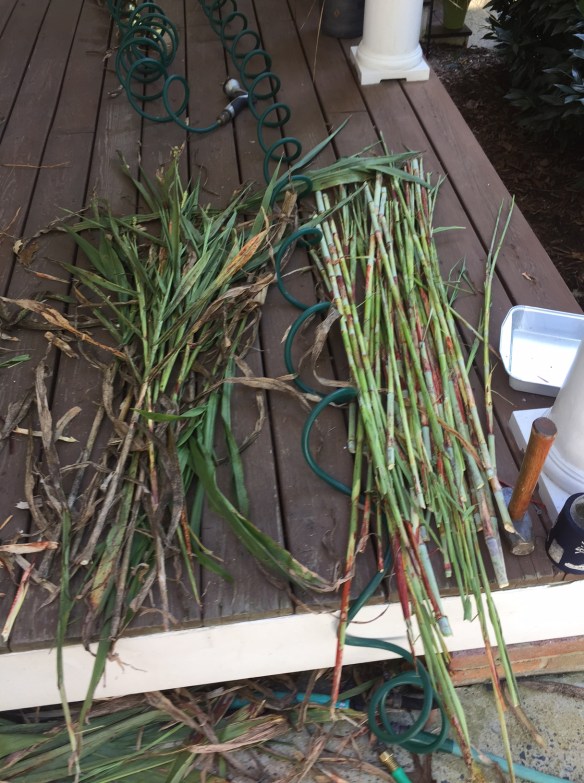
Here’s some pics of the process. Basically you wait until the seed heads are light or dark brown, cut them off for seed or to mill into flour (soon to happen on this blog).  Once the canes are headed, cut a few inches above the ground (that lower part is dry of juice), strip the leaves, and using a knife remove them outer husk. That part is usually dry and moldy, you  don’t want it to get into the juice. Cut the canes into pieces small enough to load into the press ( assuming you made one like mine).

IMG_2431

IMG_2433

IMG_2434

The juice press

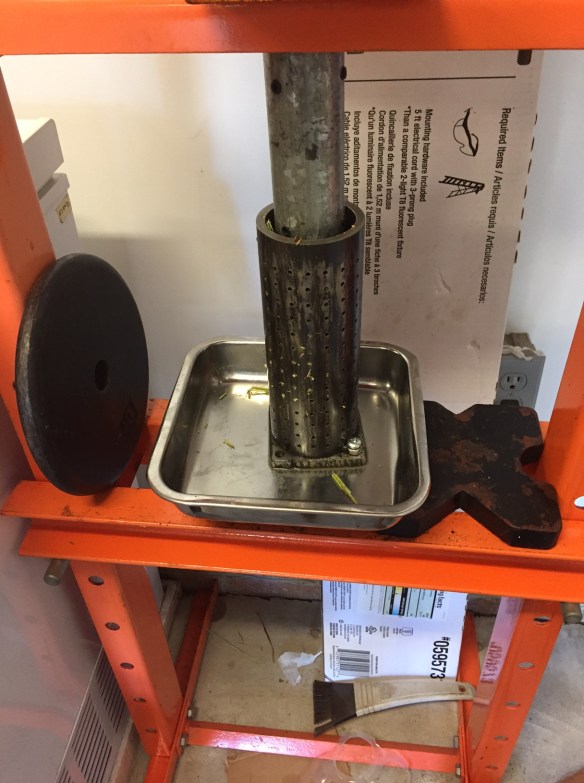
Press partway, load more until the press is about half full of cane. Then crank down until the juice stops. Remove the waste, repeat. You will need about 4000 PSI on the cane to extract the juice, any less will waste most of it. I don’t see how the roller mills work, you need an incredible amount of force to carry this out and I can’t see how they are effective. Plus they haven’t been made  for 100 years, and need a draft animal to operate. It’s not practical to use these for small plots, you need a modern hydraulic press like this one.

IMG_2435

I changed the design a bit from last time; the ram goes in the top vs the bottom and attaches via a pipe with 6 set screws. Same setup though. BTW whoever designed the original (an oil press from the 70s) was retarded, it made no sense to have it upside down and to drill that many holes in the body. The liquid only runs out the lower half of the press, so the upper can be solid and you can use maybe half the number of holes. Plus you need a way to easily remove the slug, so I made a plate held by two screws. Easy to pop off and clean.  I made a 6×6 square version, but my hydraulic press didn’t have anywhere near the force required. I would have needed 72 tons of force, mine is 12 and only produced a pathetic trickle of juice.  I can buy a 50 ton jack, but I’ll need a much heftier frame. We will see, I doubt if I need this much capacity so I might use a 5 inch pipe to keep it realizeable.

Juice settling and pH balance

I found a major source of the foul taste, starch granules. Reading some 1880s literature gave me the clue that I needed to add a base to bind the  starch so it forms an insoluble complex and can settle out as a precipitate. The starch burns during the boiling, and it  gives the syrup a “strong” taste.  Here’s a link to a modern version:

https://www.researchgate.net/profile/Gillian_Eggleston/publication/279184208_Case_Study_Commercialization_of_Sweet_Sorghum_Juice_Clarification_for_Large-Scale_Syrup_Manufacture/links/568ab60e08ae1e63f1fbe6dc/Case-Study-Commercialization-of-Sweet-Sorghum-Juice-Clarification-for-Large-Scale-Syrup-Manufacture.pdf

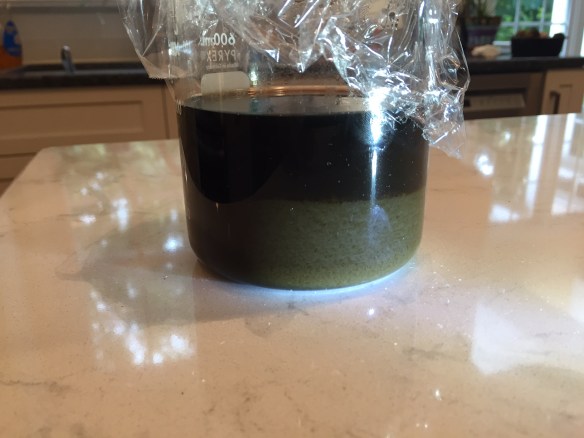
I found I didn’t need to add the carbon, or make up milk of lime per the link, just add small amounts of powdered calcium hydroxide (CaOH) until the pH indicated slightly basic on my swell multicolor litmus papers.  I messed up the first batch, I didn’t discover the starch problem until after I boiled it. Note how the raw juice looks like river water:

IMG_2441
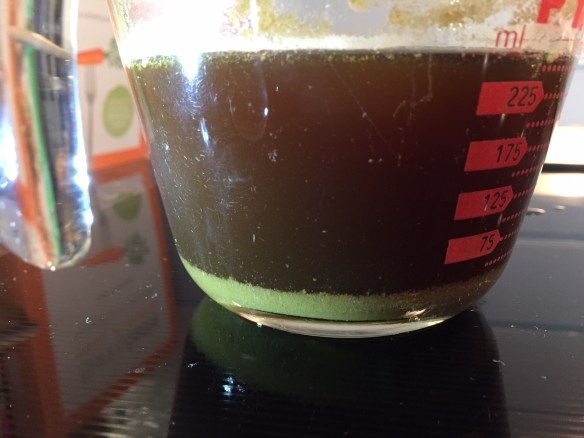
The entire batch was FULL of cloudy crud after boiling, adding the base magically made it fall out:

IMG_2452

I was able to pipette the upper layer off, and then ran the bottom part through our old friend the coffee filters to do the rest. It wasn’t the right way to do it, but it worked.  I had about 15 plants left that were too green to harvest, when those were ready I followed the procedure and added CaOH (lime) to the raw juice:

IMG_2461

This is what I’m talking about, Willis! The starch all came out and I easily drew off the supernate, and it boiled off to a nice clear syrup.  Well, clear but dark like differential oil. That’s a consequence of the base, it darkens the syrup but is essential for taste. As for that, it is now edible but still not close to corn syrup. I had some on pancakes, I could eat them but would not want a lot of it. I think it would be best in some baked goods, like cookies or bread. I will try different varieties of sorghum to see if I can get it a bit lighter, it’s plenty sweet but has that funky note. But way better than the first batch. BTW this stuff is very molasses-like, not as strong but isn’t something modern people use a lot of.

Finally, I noticed the syrup is runny even though I cooked it down to 240 F on the candy thermometer. The old timers say 228 is the end point, but I’m not convinced. I’ve seen vague references to runniness on line, but I have no clue.